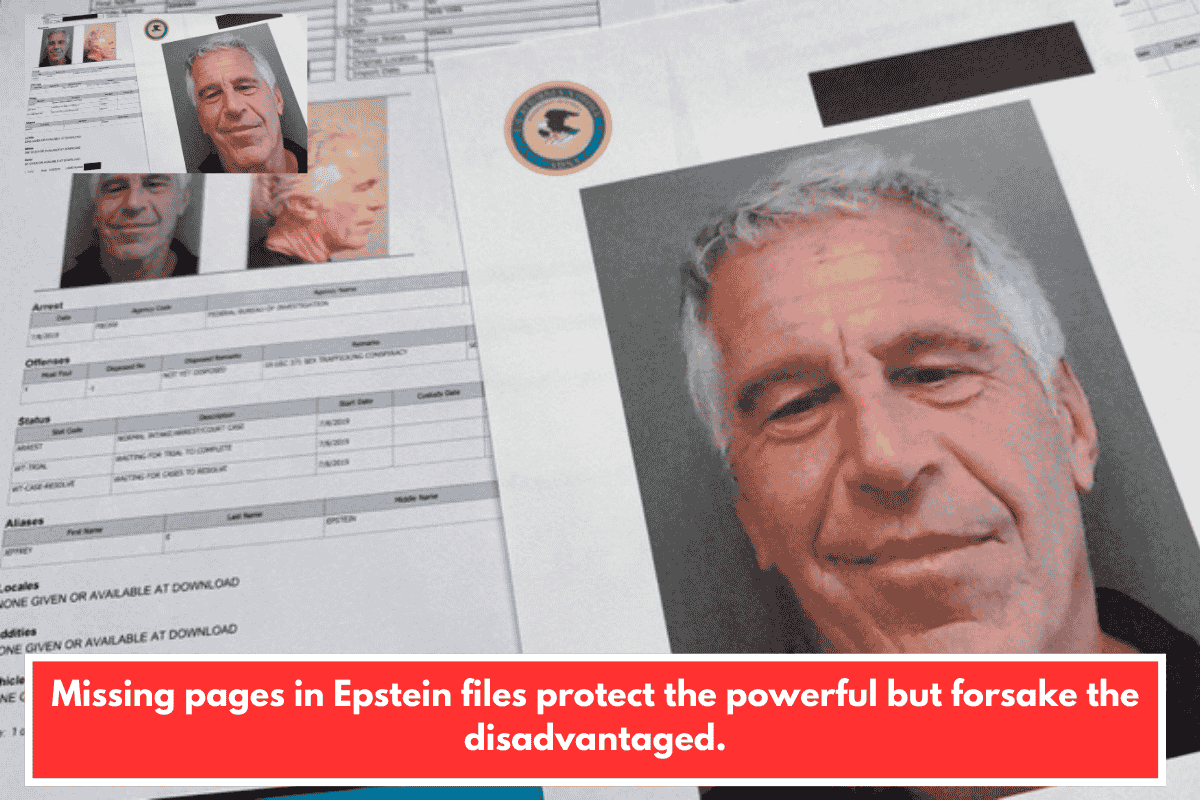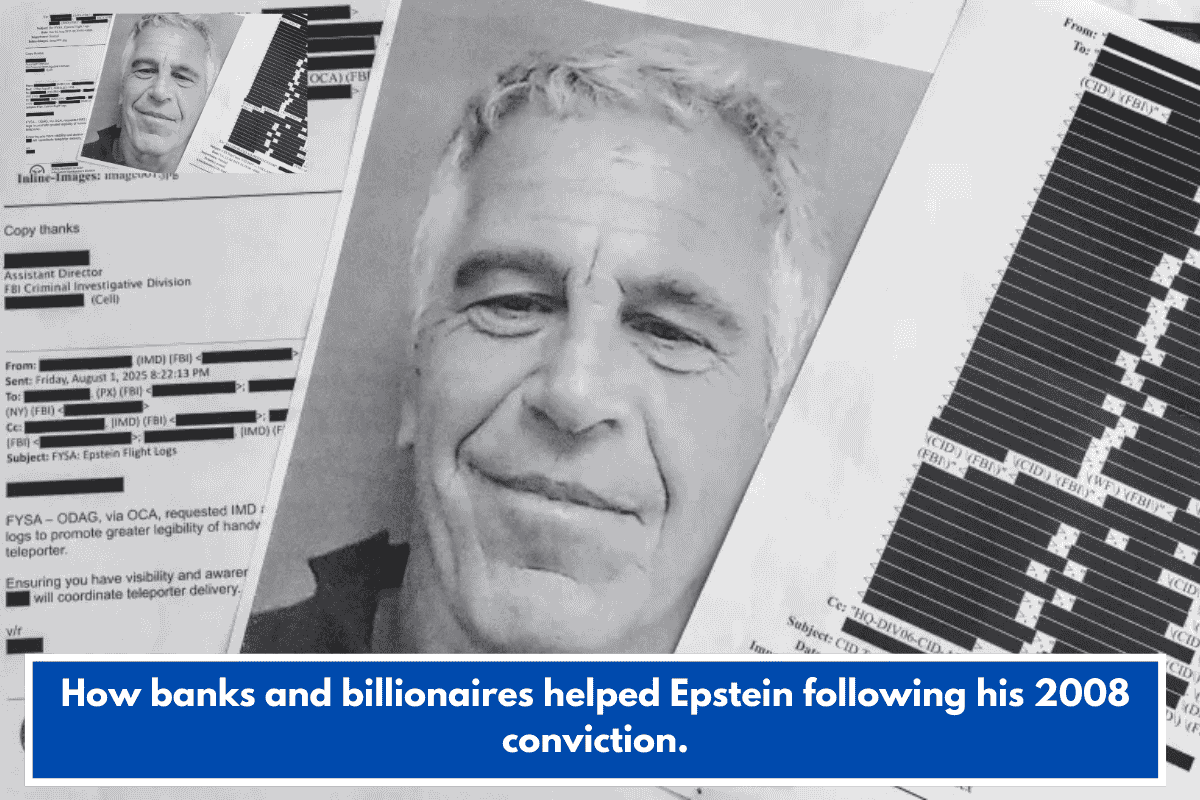
After his 2008 plea deal in Florida, Epstein served fewer than 13 months in custody and became a registered sex offender. Despite that conviction, newly reviewed Justice Department records — cited by Al Jazeera — indicate he remained financially embedded within elite banking and business circles until his 2019 federal arrest on sex-trafficking charges. Epstein died later that year in federal custody.
The documents and related litigation records suggest that between 2008 and 2019, major financial institutions continued processing his transactions, while prominent financiers maintained professional relationships with him.
Jes Staley and Ongoing Banking Ties
Epstein maintained a longstanding relationship with Staley dating back to Staley’s tenure at JPMorgan Chase. Court filings — including litigation brought by the U.S. Virgin Islands — allege Staley visited Epstein in 2009 while Epstein was serving his sentence and that financial transfers to women occurred around the time of their communications.
Disclosed emails show continued contact after Epstein became a registered sex offender, including exchanges that later drew regulatory scrutiny. Internal debates at JPMorgan questioned whether to maintain the relationship, but the bank did not sever ties until 2013.
Staley later became CEO of Barclays. In 2023, the UK’s Financial Conduct Authority fined and banned him from senior roles, concluding he had been reckless in how he characterized his relationship with Epstein. Staley has disputed aspects of the findings.
Leon Black and Financial Dealings
Leon Black, cofounder of Apollo Global Management, paid Epstein $158 million between 2012 and 2017 for tax and estate planning advice, according to an independent review conducted by the law firm Dechert.
The payments occurred years after Epstein’s 2008 conviction. Black has acknowledged the payments but has denied wrongdoing. In 2021, Guzel Ganieva accused Black of sexual abuse and coercion; he denied the allegations. Her lawsuit was dismissed in 2023.
Draft transcripts cited in DOJ materials describe a 2015 recorded meeting between Black and Ganieva discussing financial demands and potential settlements. The documents offer insight into how disputes within Epstein’s social and financial orbit were handled during that period.
Deutsche Bank and Compliance Failures
After JPMorgan cut ties, Deutsche Bank became Epstein’s primary banker. In 2020, the New York Department of Financial Services fined the bank $150 million for compliance failures tied to its handling of Epstein and other high-risk clients.
Regulators said the bank processed millions of dollars in suspicious transactions, including payments to individuals described as young women, without timely filing required suspicious activity reports. Deutsche Bank acknowledged shortcomings and said it strengthened its compliance systems.
Epstein remained a client of the bank until 2018 — a decade after his conviction — underscoring how institutional relationships allowed him continued access to global financial infrastructure despite his status as a registered sex offender.