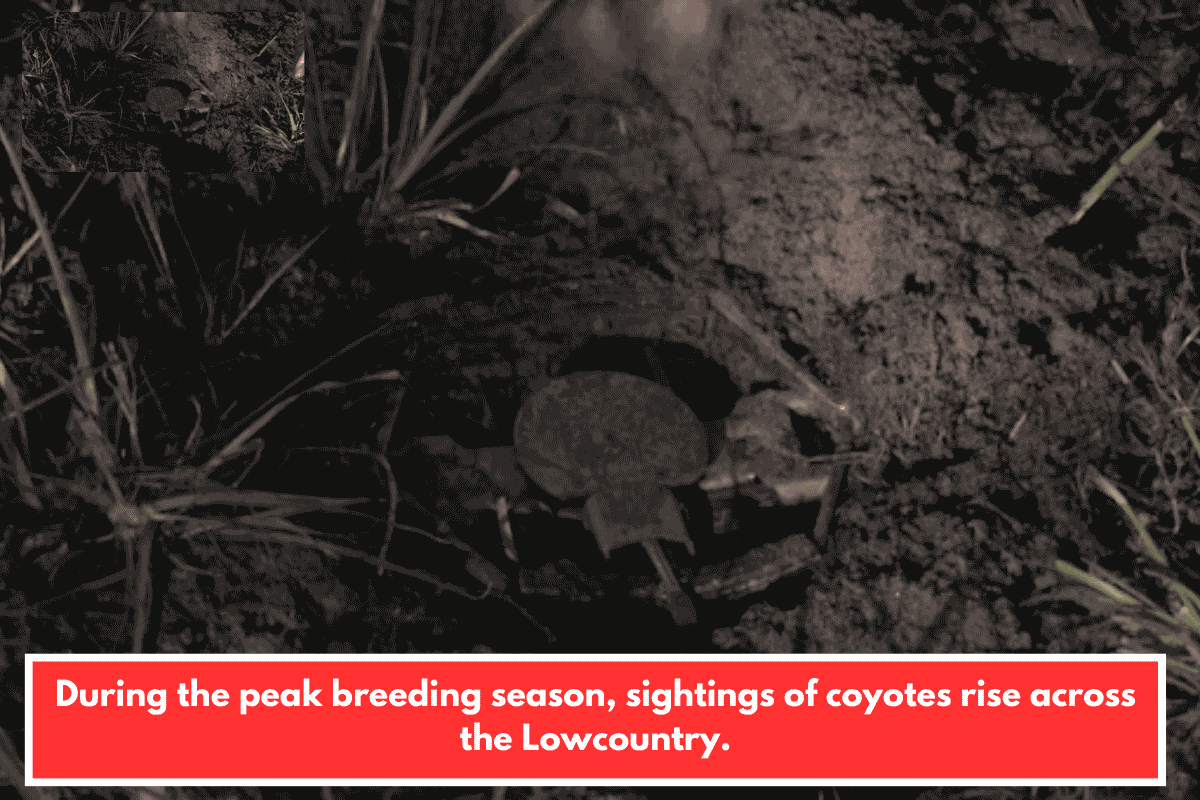
Residents across Charleston and the surrounding Lowcountry are reporting more frequent coyote sightings as February marks the peak of breeding season in South Carolina. Officials say activity typically rises in late winter and continues through the warmer months as coyotes establish dens and search for food.
In Isle of Palms, Police Chief Kevin Cornett noted that sightings often increase in February and March during mating season. As dens become more active and food demands grow, coyotes are more likely to be seen in neighborhoods and along beaches. Activity generally remains elevated until mid-summer before tapering off.
Authorities say trapping efforts on Isle of Palms have been effective so far this year. Animal Control has also observed an increase in rabbit populations, which can indicate shifts in predator activity. Officials encourage residents to report sightings to help track movement patterns and identify den locations, allowing traps to be placed where activity is highest.
Public safety leaders stress that coyotes are present throughout the Lowcountry this time of year, and precautions are essential. Residents are advised to keep food indoors, avoid leaving pets unattended outside—especially small animals—and keep dogs leashed and close during walks. Carrying a device that can make loud noise is also recommended as a deterrent.
Anyone who spots a coyote is asked to contact their local law enforcement agency so the sighting can be logged and addressed if necessary.