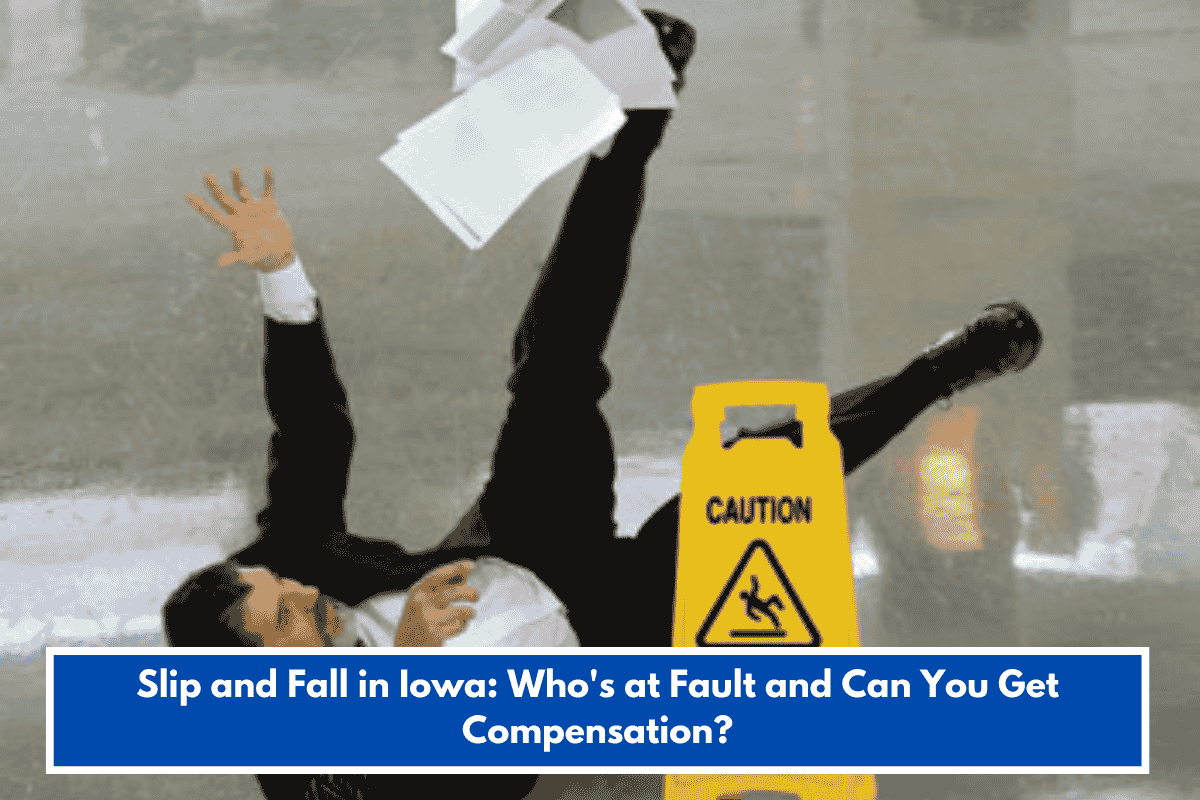
In Iowa, slip and fall cases hinge on premises liability laws, where property owners owe a duty of care to visitors, but fault is shared under modified comparative negligence rules. You can seek compensation if the owner failed to address foreseeable hazards like wet floors or uneven surfaces, but recovery drops if you’re more than 50% at fault. Claims must typically be filed within two years.
Fault Determination
Property owners are liable if they breached their duty through negligence, proven by showing a hazard existed, they knew or should have known about it, and failed to warn or fix it.
- Visitor status matters: Invitees (customers) get the highest duty—regular inspections and fixes. Licensees (social guests) need warnings for known dangers. Trespassers get minimal protection, mainly no intentional harm.
- Key factors for reasonable care: Foreseeability of harm, entry circumstances, property use, inspection/warning feasibility, and repair burden on owner.
- No liability if the hazard was open and obvious or you ignored warnings.
Compensation Rules
Successful claims cover medical bills, lost wages, pain, and more, reduced by your fault percentage (e.g., 30% fault cuts award by 30%). Barred entirely at 51%+ fault.
Government properties add hurdles like notice requirements and immunity caps. Consult a lawyer promptly for evidence like photos or witnesses.