Human trafficking occurs locally in the Charleston Tri-County area (Charleston, Berkeley, Dorchester counties), with 162 adult victims identified since 2022 through efforts like jail screenings and task force data. Local leaders emphasize education and training for law enforcement, judges, and lawyers to spot red flags, as cases rely on victim testimony, financial records, and patterns of coercion rather than single physical evidence.
Task Force Efforts
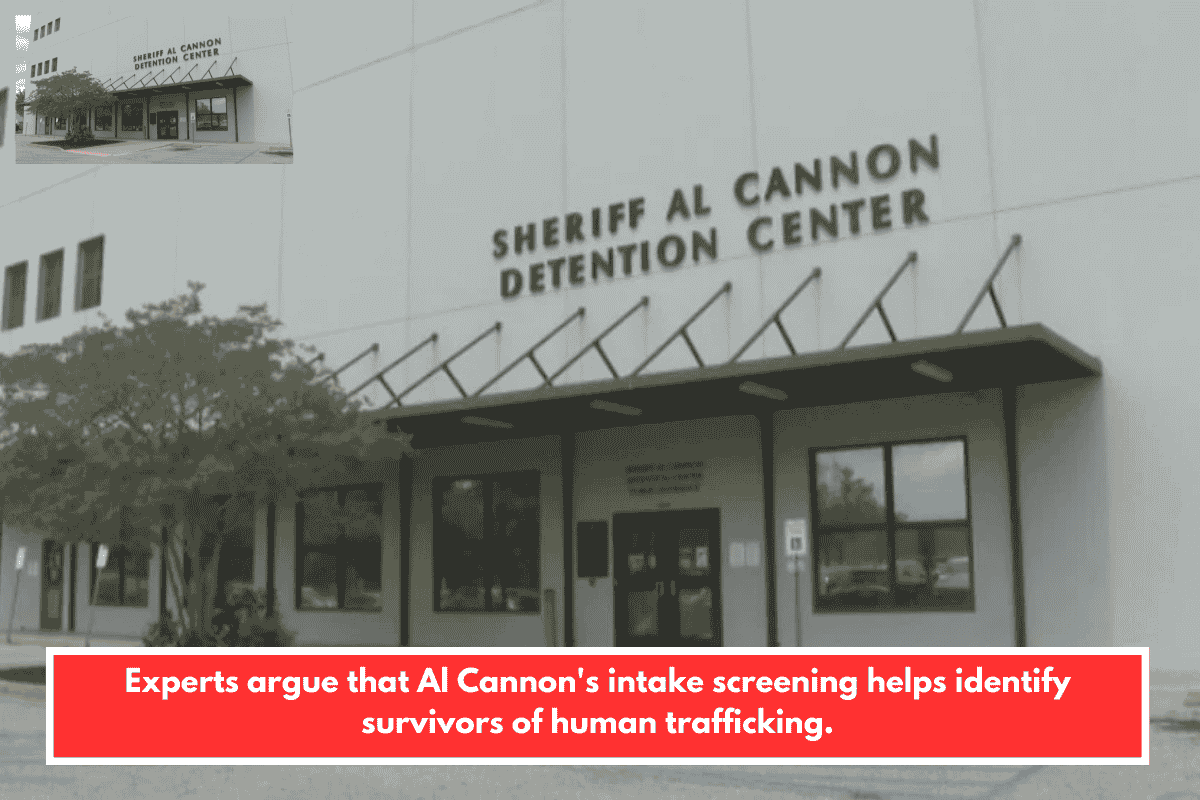
The Tri-County Human Trafficking Task Force, co-chaired by Kelly LaPlante of the First Circuit Solicitor’s Office, trains professionals on victim-centered investigations. They’ve implemented a screening tool at Sheriff Al Cannon Detention Center, identifying 39 victims via targeted intake questions on forced sex/work, unpaid wages, threats, or controlled sex work ads. This tool is expanding to Berkeley and Dorchester counties soon.
Victim Challenges
Survivors often face forced criminality (e.g., drugs, fraud, property crimes), leading to needs in civil, criminal, and immigration law; groups like the Formation Project help with visas, record clearing, divorces, and rights advocacy. Anne Ross notes every case differs, with justice focusing on survivor safety, stability, and dignity beyond prosecutions, which can take months or years.
Data Insights
Dr. Leslie Hill from The Citadel tracks stats showing drugs as common entry points for control, especially targeting addiction. Advocates stress these figures are minimums, urging awareness to counter myths of it being only international; call 1-888-373-7888 or text 233733 for suspicions.