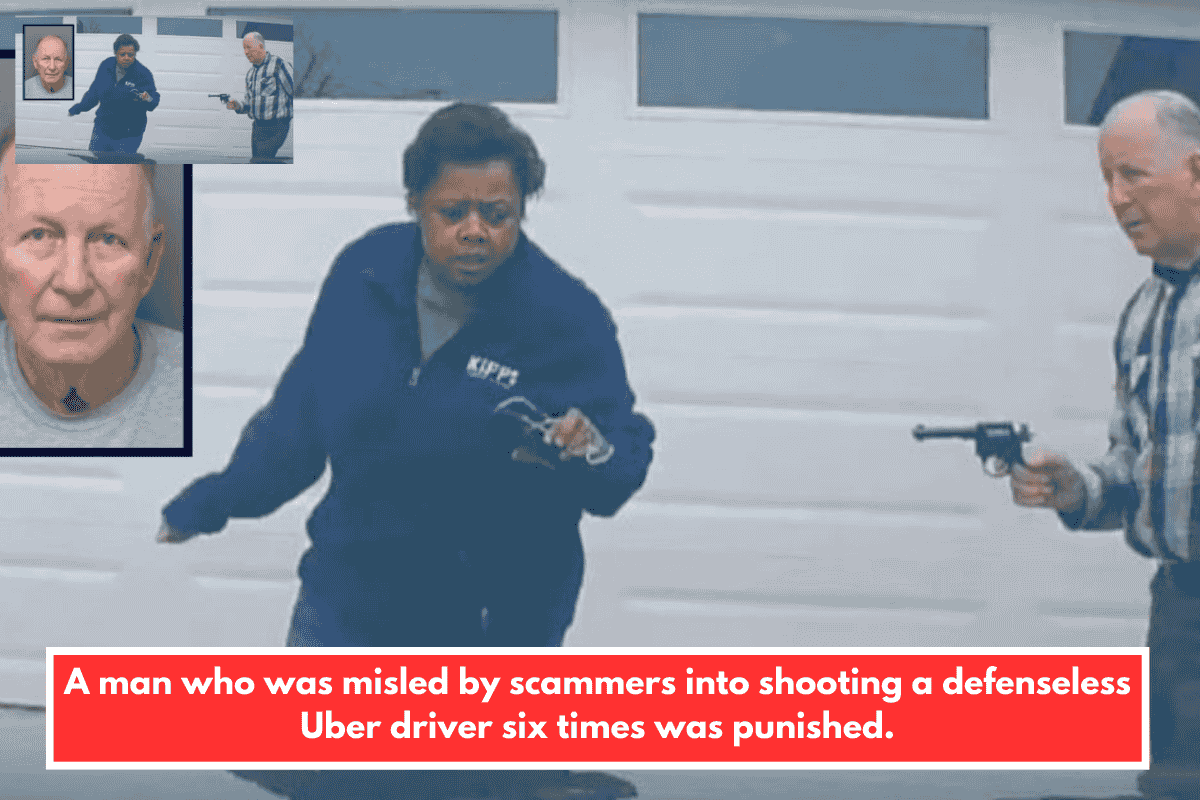
This tragic case highlights how phone scams can escalate into deadly violence, even when both parties are unwitting victims. William J. Brock, 83, from South Charleston, Ohio, received a sentence of 21 years to life on February 2, 2026, from Clark County Common Pleas Judge Douglas M. Rastatter. He’s convicted of felony murder, assault, and kidnapping in the March 25, 2024, shooting death of Uber driver Loletha Hall, 61.
Key Sequence of Events
- The Scam Setup: Scammers called Brock, demanding $12,000 cash under threats to his family, instructing him to hand it to a woman matching Hall’s description. Separately, they duped Hall via a fake Uber assignment to pick up a “package” at his home.
- The Confrontation: Dashcam footage captured Hall approaching peacefully, asking about the package. Brock demanded her ID, took her phone to block calls, and followed her to her car as she tried to leave—posing no physical threat.
- The Shooting: Brock fired six shots total during a scuffle; Hall was defenseless. He only called 911 afterward, with her pleading “Help me” in the background.
- Trial Outcome: Jury rejected self-defense, noting no reasonable fear from an unarmed woman. Sentence: 15 years to life for murder + 6 years for gun specs, consecutive.
Prosecutors like Daniel Driscoll stressed the scammers—still at large—sparked this, hoping the FBI tracks them for local charges. No winners: Both families shattered.
Broader Lessons on Scam Risks
Elderly victims like Brock are prime targets for “grandparent” or extortion scams, per FBI data—over $3.4 billion lost in 2023. Tips to avoid:
- Verify urgent demands independently (e.g., call Uber directly).
- Never hand cash to strangers based on phone instructions.
- Use services like AARP Fraud Watch or FTC.gov for reporting.
Similar cases, like a 2023 Florida scam-turned-shooting, show why “hang up and call back” saves lives. Sad all around—scammers truly got away with murder here. What aspect of this story stands out most to you?