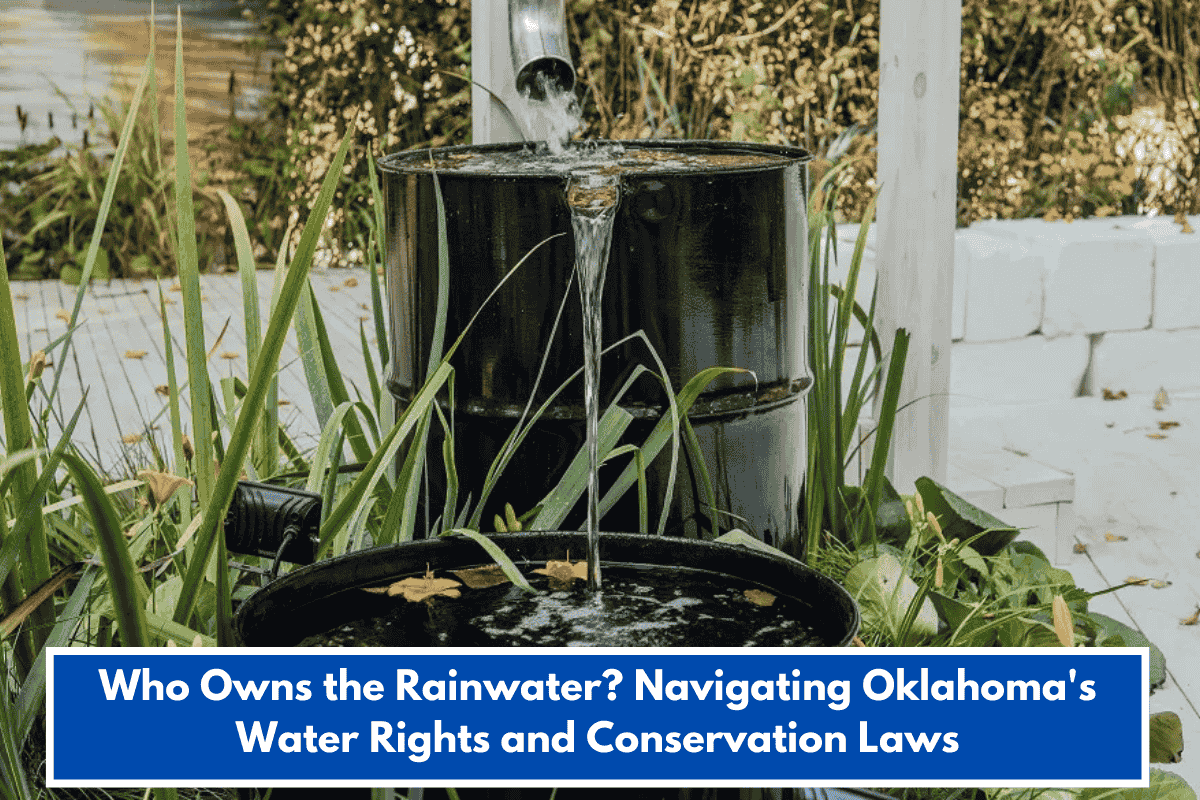
Oklahoma’s water rights hinge on a hybrid system distinguishing diffused waters (owned by landowners) from stream waters (publicly appropriated). Conservation efforts emphasize sustainable use amid growing shortages, guided by state agencies like the Oklahoma Water Resources Board (OWRB).
Ownership Breakdown
Landowners own standing or diffused surface water and groundwater on their property, per Okla. Stat. tit. 60, § 60(A), but cannot waste it or harm neighbors. Water in definite streams belongs to the public, requiring OWRB permits for appropriation based on priority and beneficial use. Groundwater is correlative, with equal sharing if overused in supply-limited areas.
Key Rights and Limits
Stream appropriations prioritize date-filed applications after subtracting domestic and riparian needs; out-of-basin or out-of-state uses face extra scrutiny. Permits last indefinitely if used beneficially (e.g., irrigation, municipal), with reporting required but no metering mandated. Moratoriums block unpermitted exports.
Conservation Framework
The Water for 2060 Act promotes efficiency, reuse (e.g., wastewater, rainwater harvesting for non-potable like fire systems), and grants via a 15-member council. Municipal plans target leaks, education, and tech upgrades, signaling conservation as core policy without major funding mandates. Rainwater capture is approved onsite.