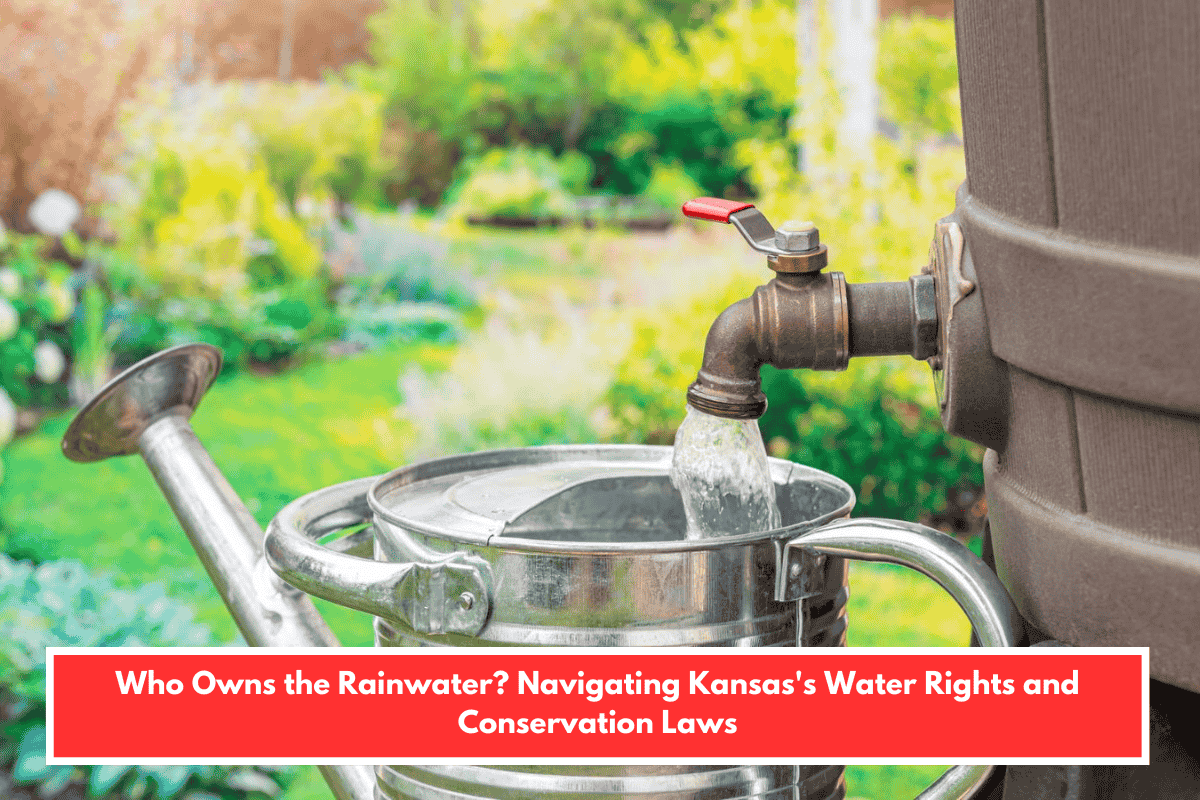
Kansas follows prior appropriation water rights, meaning no one “owns” rainwater outright—it’s a public resource once it falls, but individuals can appropriate it for use with permits. Domestic rainwater harvesting (household, livestock, or up to 2 acres of lawn/garden) requires no permit, while larger or commercial uses do.
Water Rights Basics
The Kansas Water Appropriation Act, managed by the Department of Agriculture’s Division of Water Resources, governs all non-domestic water use; rainwater falls under this unless strictly domestic.
Riparian rights don’t apply—first in time, first in right prevails, protecting groundwater and streams from overuse via minimum desirable streamflow rules on 23 rivers.
No outright ban on harvesting exists, but plumbing codes regulate non-potable systems for safety.
Conservation Measures
Permits ensure sustainable use amid over-appropriation risks; rainwater helps offset demands without impacting senior rights holders.
Local rules like Hutchinson’s stormwater permits focus on runoff pollution, not collection.
State plans promote harvesting as a supply strategy, especially outdoors for irrigation.