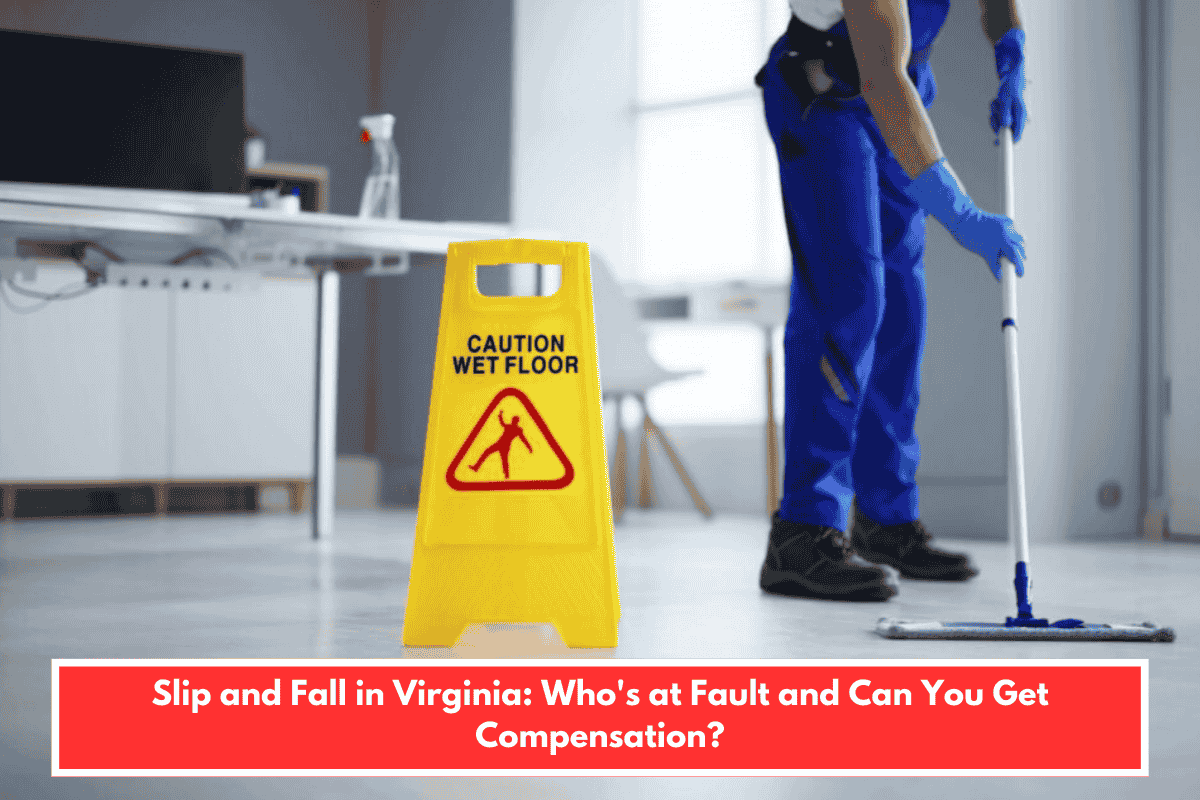
Virginia follows strict premises liability laws for slip and fall cases, where property owners must maintain safe conditions but victims recover nothing if even slightly at fault under the contributory negligence rule. Fault hinges on proving owner negligence, such as failing to fix or warn about known hazards, while compensation covers medical bills, lost wages, and pain if fully established.
Determining Fault
Property owners owe a duty of reasonable care to invitees like customers, inspecting regularly and fixing hazards like wet floors, uneven surfaces, or poor lighting. Victims must show the owner knew or should have known of the danger, failed to act, and it caused the injury—evidence includes maintenance logs, videos, witness statements, and lack of warnings. Common defenses claim the hazard was “open and obvious” or the victim was trespassing.
Contributory Negligence Impact
Virginia’s pure contributory negligence bars recovery if the victim shares any fault, even 1%, such as distracted walking, ignoring signs, or poor footwear choices. Examples include phone use near visible hazards or crossing barriers, potentially defeating claims despite owner negligence. This rule differs from comparative negligence states, making cases challenging.
Proving Owner Liability
Key elements: owner created the hazard or had notice but didn’t fix/warn; condition wasn’t obvious; reasonable maintenance failed; direct injury link. Duties vary—in highest for invitees (inspections, fixes), lower for licensees (warnings only), minimal for trespassers. Building code violations strengthen claims.
Possible Compensation
Successful claims yield economic damages like medical costs, lost wages, future earnings loss, and household help; non-economic for pain, suffering, and life enjoyment loss. Settlements range from $2,000–$10,000 for minor injuries to over $150,000 for severe/permanent ones, filed within two years. No caps on most damages, but contributory fault eliminates awards.