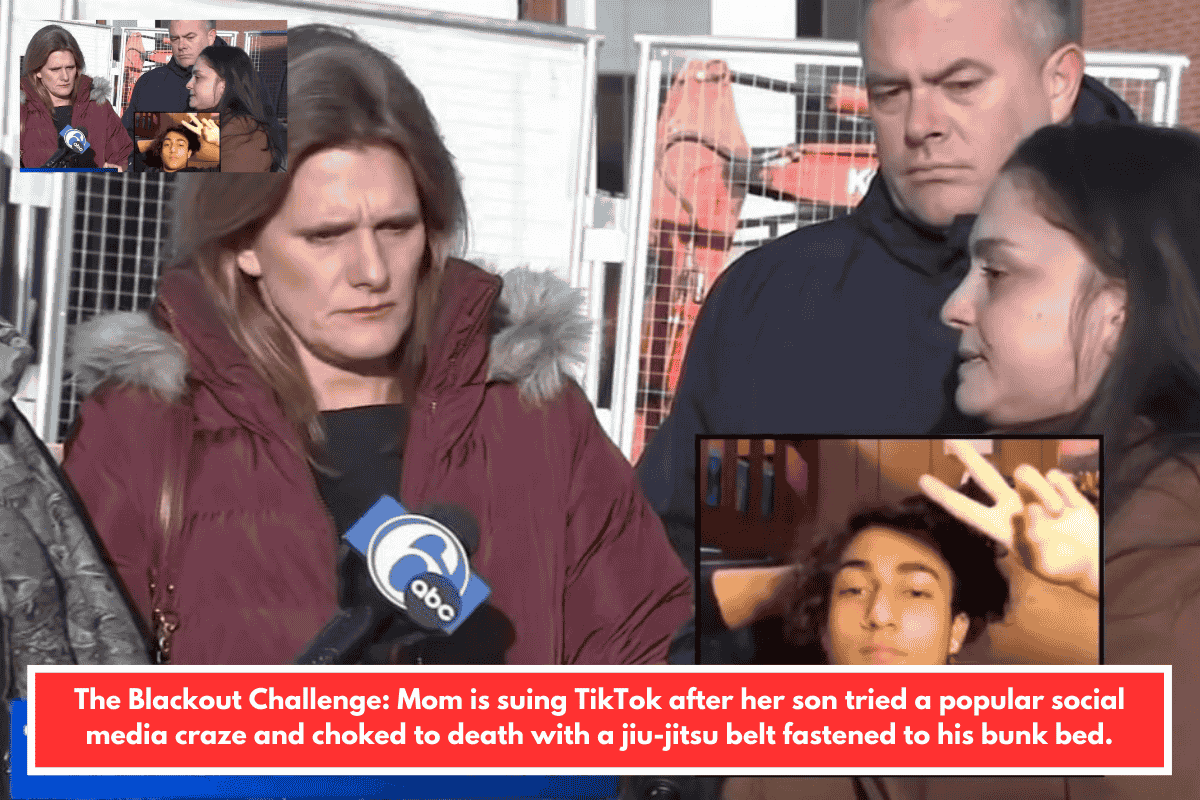
This wrongful death lawsuit, filed in Delaware Superior Court, involves six families—five from the UK and one from Delaware (Michelle Ortiz, mother of 17-year-old Jaedon Bovell)—suing TikTok entities and parent company ByteDance. Jaedon died in June 2020 from self-asphyxiation using a jiu-jitsu belt during the “Blackout Challenge,” a viral TikTok trend encouraging users to choke themselves until passing out. The suit, amended last year to include Ortiz, alleges ByteDance’s algorithms promoted the challenge to minors, leading to deaths including a 12-year-old Colorado boy who used a shoelace.
On January 16, 2026, a Wilmington judge heard TikTok’s motion to dismiss, which remains pending.
Key Allegations
The plaintiffs claim:
- TikTok’s “For You” page algorithmically targets and promotes dangerous challenges to young users, creating an addictive feed they “can’t turn away from.”
- ByteDance’s design decisions, including promotion to minors, amount to “harmful algorithmic targeting and discrimination.”
- The app misled parents by portraying itself as safe for 13+ users, despite risks.
Attorney Matthew Bergman described it as a platform deluging kids with hazardous content like choking challenges.
TikTok’s Defense
TikTok argues for dismissal based on:
- Section 230 of the Communications Decency Act (CDA): Shields internet platforms from liability for third-party user-generated content. They contend the challenge videos came from users, not TikTok.
- First Amendment: Protects algorithmic recommendations as free speech.
A spokesperson emphasized: TikTok bans such content, removes 99% proactively via AI detection and teams, and extends sympathies to families.
Legal Context and Broader Implications
This case tests Section 230’s limits amid growing scrutiny of social media’s role in youth harm. Similar suits (e.g., against Meta) argue platforms aren’t neutral publishers but active curators via algorithms. Delaware jurisdiction ties to one TikTok entity’s incorporation there.
Past “Blackout Challenge” deaths have prompted removals, but enforcement gaps persist—Jaedon’s account remains online. Outcomes could influence global regulation, especially with U.S. bills like KOSA (Kids Online Safety Act) aiming to curb harmful content for minors.
Families like Ortiz’s seek prevention: “I don’t want another mother to feel this way.”
For real-time updates, check Delaware Superior Court dockets or sources like Delaware News Journal.