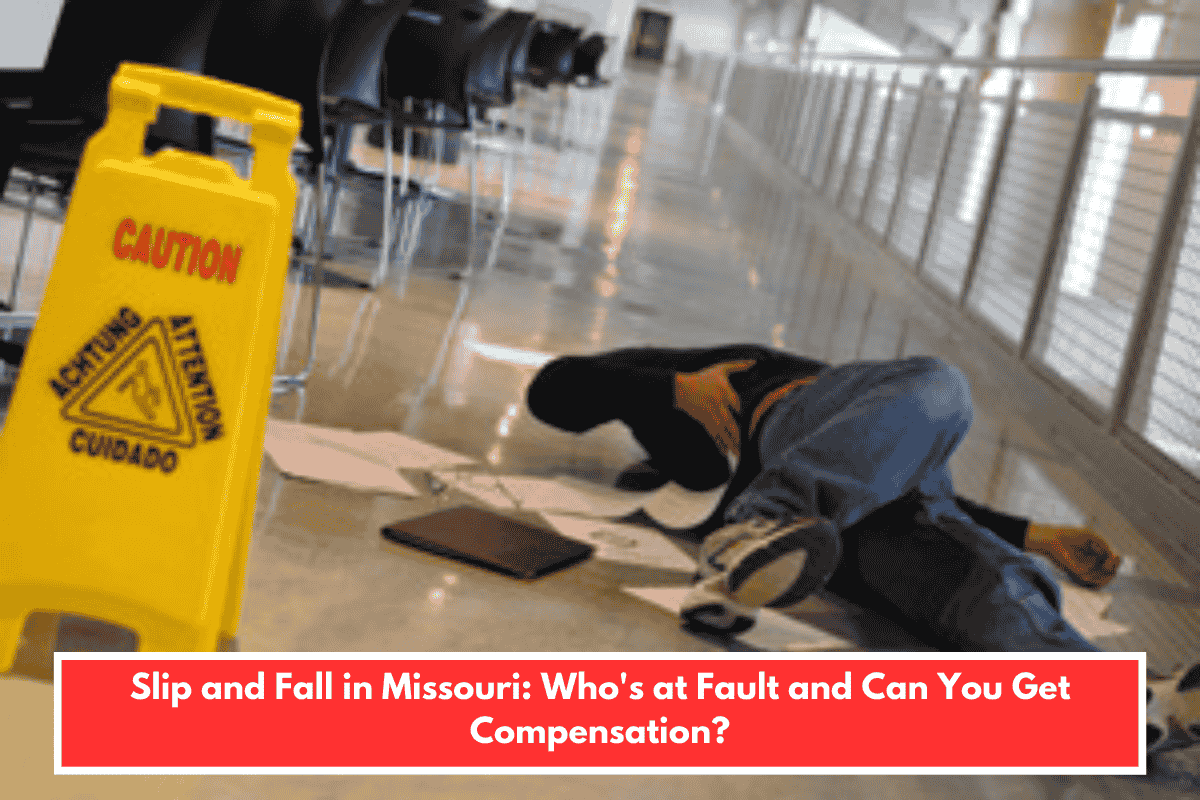
In Missouri, slip and fall cases fall under premises liability law, where property owners or occupiers can be at fault if they fail to maintain safe conditions or warn of known hazards. Fault depends on proving negligence, such as the owner knowing or should have known about the danger and failing to act. Compensation is possible through claims for medical bills, lost wages, and pain, but reduced by the victim’s comparative fault under Missouri’s pure comparative negligence rule.
Determining Fault
Property owners owe varying duties based on visitor status: highest to invitees (e.g., customers, requiring inspections and fixes), moderate to licensees (e.g., social guests, warnings for known dangers), and minimal to trespassers (no willful harm). Key factors include hazard duration, owner notice or complaints, and response efforts. Evidence like photos, witnesses, and records proves the owner breached their duty, causing injury.
Compensation Rules
Missouri uses pure comparative fault, allowing recovery even if the victim is over 50% at fault—damages reduce proportionally (e.g., 20% victim fault means 80% recovery). Settlements factor injury severity, medical costs, lost income, defendant resources, and conduct, with no fixed average but ranging from thousands to millions. Claims cover economic (bills, wages) and non-economic (pain) damages.
Proving Your Case
Gather incident reports, medical records, witness statements, and hazard photos immediately. Consult a premises liability attorney early, as insurance often minimizes claims via low offers or fault arguments. Missouri’s 5-year statute for personal injury applies, but act promptly for evidence preservation.