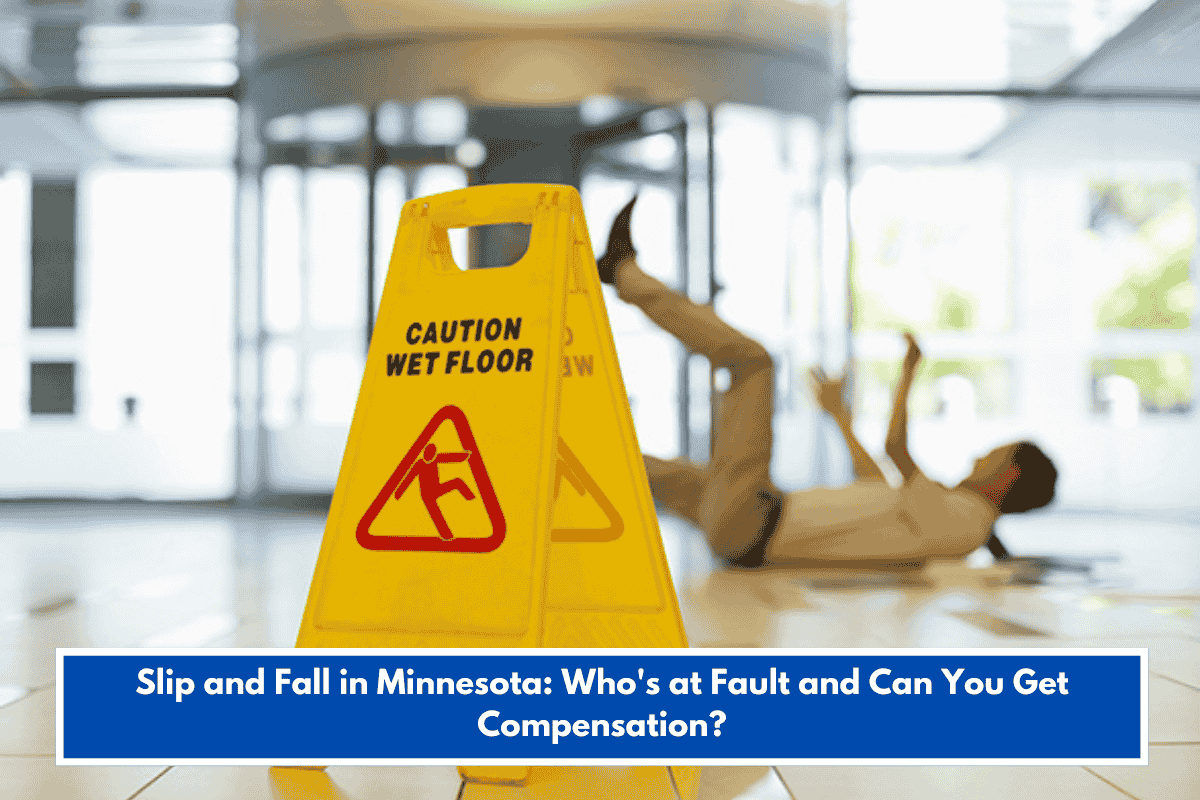
In Minnesota, slip and fall cases fall under premises liability law, where property owners owe a duty of reasonable care to visitors, and fault hinges on proving negligence like failure to fix or warn about hazards. Compensation is possible for medical bills, lost wages, and pain if the owner knew or should have known of the danger, but recovery is barred if you’re over 50% at fault under the modified comparative negligence rule. Claims must typically be filed within two years, though government properties have shorter notice deadlines.
Fault Determination
Property owners are liable if they breached their duty by not addressing hazards such as wet floors, ice, or uneven surfaces after actual or constructive notice. Victims must show the hazard caused the injury, with evidence like photos, witness statements, or surveillance key to overcoming defenses like “open and obvious” risks. Partial plaintiff fault reduces awards proportionally up to 50%; beyond that, no recovery applies.
Compensation Types
Successful claims cover economic damages (e.g., bills, income loss) and non-economic ones (pain, suffering). Payouts depend on injury severity, with examples like a TV anchor’s $50,000 suit against the state for a Capitol sidewalk fall showing potential scale. Insurance often covers, but caps may apply for municipalities.
Key Steps
Report the incident immediately to secure records and aid. Gather evidence promptly, seek medical care to document injuries, and consult an attorney before insurer talks, as deadlines loom. Government claims require 180-day notice for cities or state filings.