Andrea Yates Case Overview
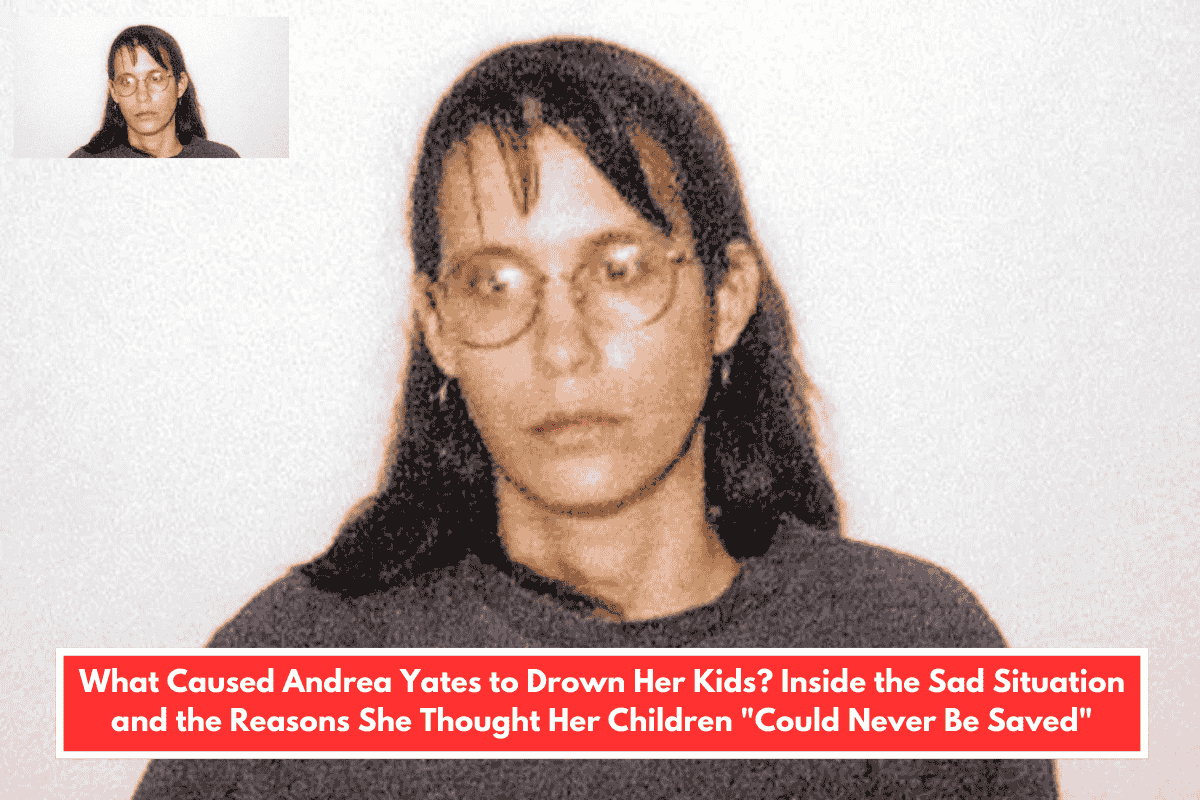
Andrea Yates drowned her five children—Noah (7), John (5), Paul (3), Luke (2), and Mary (6 months)—in the family bathtub on June 20, 2001, in their Clear Lake, Texas home. She confessed immediately to police, placing the four youngest bodies on her bed under a sheet before repeatedly calling 911. Rusty Yates, her husband, had left for work at NASA shortly before.
Mental Health History and Postpartum Psychosis
Yates endured severe postpartum depression and psychosis (PPP), a rare emergency causing hallucinations and delusions, affecting about 1-2 per 1,000 births per Cleveland Clinic data. After her fourth child (Luke) in 1999, she overdosed on her father’s medication in a suicide attempt and was hospitalized. She received antidepressants and Haldol, an antipsychotic, which stabilized her temporarily. However, stopping Haldol abruptly worsened her condition, her defense argued. PPP distorted her reality, intertwining with religious delusions that killing her children would “save” them from Satan.
Her attorney, George Parnham, later called PPP the “real culprit,” noting six victims: the children and Yates herself. Pre-2001 awareness was low; Parnham admitted ignorance of postpartum issues.
Religious Influences
Yates’ delusions fused with extreme religious beliefs amplified by Michael Woroniecki, a traveling preacher the family followed. He preached rigid biblical interpretations, warning of Satan’s influence on children and praising Abraham’s near-sacrifice of Isaac as obedience. Yates internalized this, reportedly hearing voices commanding her to act. Her homeschooling and isolation in a small home with five kids intensified the pressure.
Legal Saga
- 2002 Trial: Convicted of capital murder for Noah’s death; sentenced to life.
- 2006 Retrial: Found not guilty by reason of insanity after expert testimony on PPP proved she couldn’t distinguish right from wrong.
- Commitment: Indefinite stay at Kerrville State Hospital; granted escorted furloughs by 2023, reflecting stabilized condition under treatment.
The case spotlighted PPP treatment gaps, leading to better screening protocols.
Ongoing Debate: Why Did She Do It?
No single cause—PPP was central, untreated due to era’s limited knowledge, compounded by religious extremism, spousal pressure for a large family, and overload (homeschooling five kids alone). Neighbors described her as “meek,” not monstrous, snapping under unaddressed illness. Critics question Rusty’s role in ignoring warnings and stopping meds. Today, PPP is treated as a psychiatric emergency with antipsychotics and hospitalization, preventing similar tragedies.
For deeper reading: Parnham’s 2013 Houston Chronicle essay or “Are You There Alone?” by Suzanna Andrews.