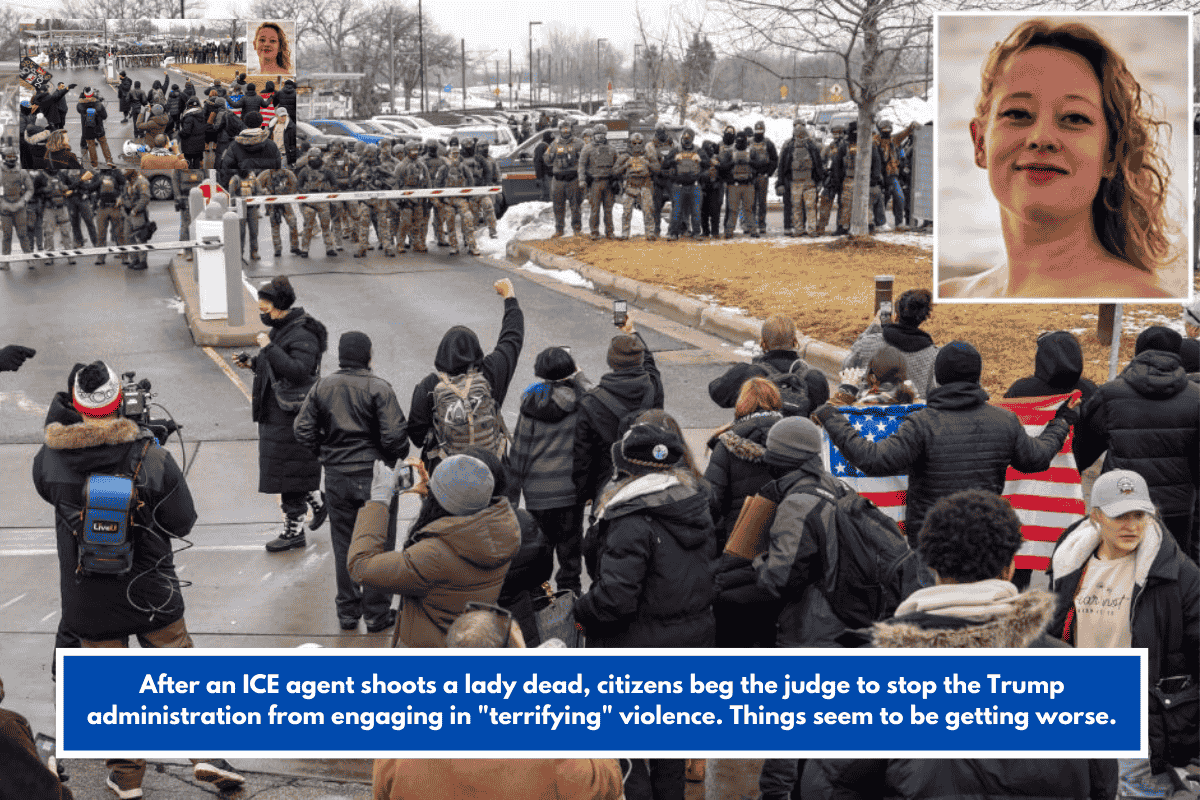
A group of Minnesota citizens filed a lawsuit on December 17, 2025, against the Department of Homeland Security (DHS) and its leaders over “Operation Metro Surge,” a Trump administration immigration enforcement action in the state. They claim federal agents have retaliated against peaceful protesters and observers with violence, including pepper spraying and arrests, violating First and Fourth Amendment rights. U.S. District Judge Kate Menendez (Biden appointee) converted their initial temporary restraining order (TRO) request into a preliminary injunction motion, allowing more government response time.
Key Developments and New Filing
- Plaintiffs’ Initial Claims: Argued enforcement actions spurred protests, met with “retaliatory violence, seizures, and arrest.”
- Government Response (Monday): Dismissed incidents as “one-time isolated past events” with no ongoing threat of harm.
- Plaintiffs’ Rebuttal (Thursday): Countered with fresh evidence—the same day as the government’s brief, reports surfaced of 2,000 more federal agents deploying to Minnesota. Two days later, ICE agent fatally shot Renee Good, 37, a Minneapolis resident observing operations, as she drove away from agents trying to enter her Honda Pilot.
- Ongoing Escalation: Lawyers note intensified agent deployments and increased protests, urging an immediate TRO under “extraordinary circumstances” for new evidence, while preliminary injunction proceedings continue.
The Fatal Shooting of Renee Good
On Wednesday, Good was killed after refusing orders to exit her vehicle during an ICE interaction. Federal officials defend the agent’s actions; VP JD Vance labeled her part of a “left wing network” using “domestic terror techniques,” and AG Pam Bondi warned against testing resolve. Her death sparked nationwide outrage, amplifying calls for judicial intervention.
Related Incident
A day later in Portland, Oregon, a Customs and Border Protection agent shot two people who allegedly tried to run over officers, highlighting tensions in federal enforcement amid protests.
Legal Context and Next Steps
Plaintiffs seek to block “unconstitutional retaliation” like unwarranted force against observers. TROs are rare and require showing irreparable harm, success likelihood, and public interest balance. The government’s opposition emphasizes isolated incidents, but new deployments and the shooting bolster plaintiffs’ “immediate need” argument. Judge Menendez will decide on the TRO amid heightened scrutiny; outcomes could set precedents for protest rights during enforcement ops. For real-time updates, check federal court dockets via PACER or news from Reuters/AP.
This aligns with your interest in legal matters and public safety—any specific angle, like similar cases in other states, you’d like explored?