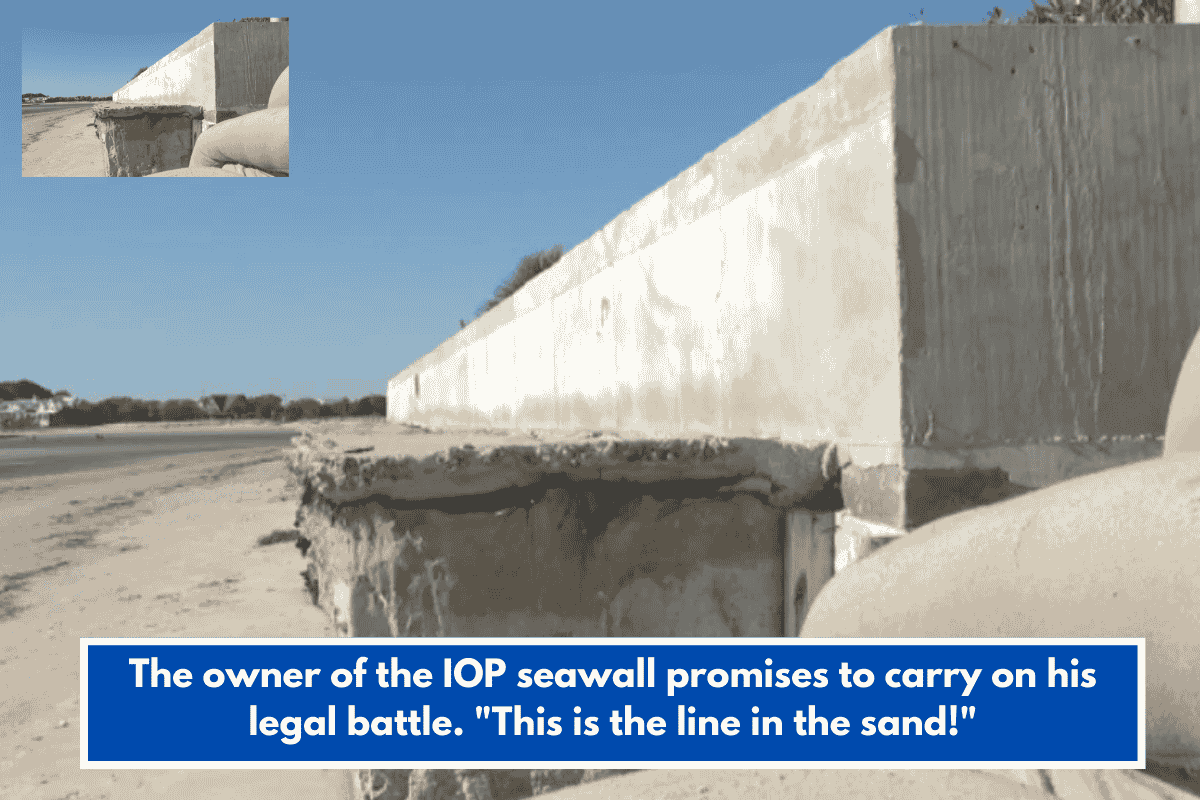
A South Carolina Administrative Law Judge, Ralph King Anderson III, upheld an order on December 30, 2025, requiring Isle of Palms homeowner Rom Reddy to dismantle his unpermitted seawall built between 2023 and 2024. The structure, made of concrete, rebar, and foam, was erected despite three cease-and-desist orders from the Department of Environmental Services (DES). Reddy must submit a removal and restoration plan within 60 days, with demolition starting 90 days after approval.
Key Arguments from Both Sides
Environmental groups like the South Carolina Environmental Law Project (SCELP) and Coastal Conservation League argue the seawall blocks public beach access, accelerates erosion, and harms the coastal ecosystem by causing scour and dry sand loss. Judge Anderson ruled it negatively impacts public interest and tourism, affirming state policy against hard structures near beaches. Reddy contends the order violates his property rights constitutionally and views agency authority as overreach.
Legal Background and Next Steps
The case originated from DES enforcement after Reddy ignored orders, leading to a five-day trial in spring 2025; an initial October 23, 2025, order was confirmed recently. The judge vacated $289,000 in penalties, finding no permit violations under the Coastal Zone Management Act. Reddy, having spent hundreds of thousands, plans to appeal with support from the Pacific Legal Foundation, potentially up to the Supreme Court.