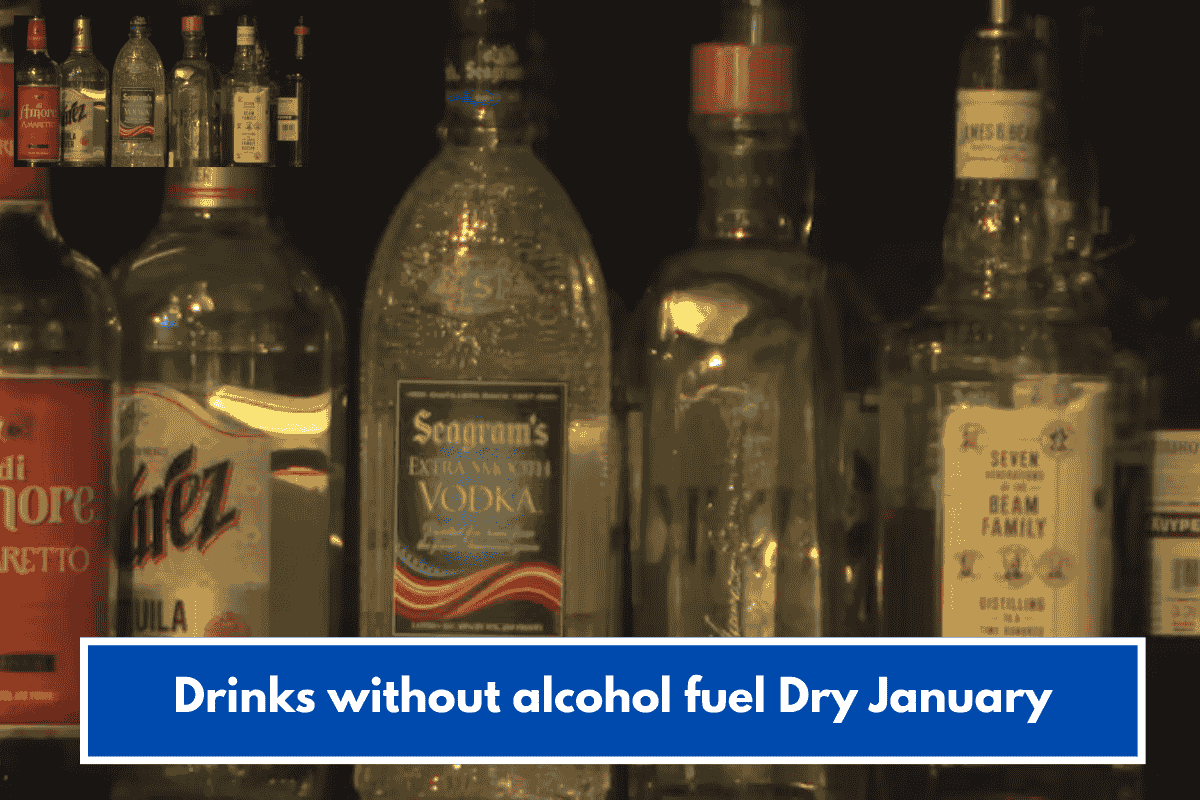
This Charleston article spotlights timely warnings from health experts as New Year’s Eve nears. U.S. Surgeon General data ranks alcohol as the third-leading preventable cause of cancer, with doctors like Dr. Edward Thomas Lewis III from MUSC emphasizing its toll on the liver, blood pressure, cardiovascular health, and mental well-being. As a depressant, it exacerbates anxiety, depression, and insomnia—effects that build over time with heavy holiday drinking.
Rise of Dry January in Charleston’s Nightlife Scene
Downtown Charleston, famed for its vibrant bars and social scene, sees locals like resident Lyncy Nicol embracing Dry January—a month-long alcohol abstinence trend for better habits. Nicol values staying social without influence, noting relief from peer pressure. Shops like Sèchey, founded by Emily Heintz post-COVID sobriety struggles, thrive by stocking non-alcoholic alternatives, such as an 88-point-rated Sauvignon Blanc from Bordeaux, letting people join toasts inclusively.
Broader Context for South Carolina Residents
In South Carolina, where community events and festivals often involve drinks, this aligns with growing sober-curious movements. State health data from the SC Department of Health and Environmental Control (DHEC) echoes national stats: alcohol contributes to over 1,000 annual deaths here, including liver disease and accidents. Dry January participants often report sustained benefits, like improved sleep and energy, per studies from the American Journal of Public Health.
Participating could fit well with local hiking trails or outdoor activities in the Southeast—sober socializing enhances safety on those nature walks. Have you tried Dry January before, or are you eyeing non-alcoholic options for upcoming events?