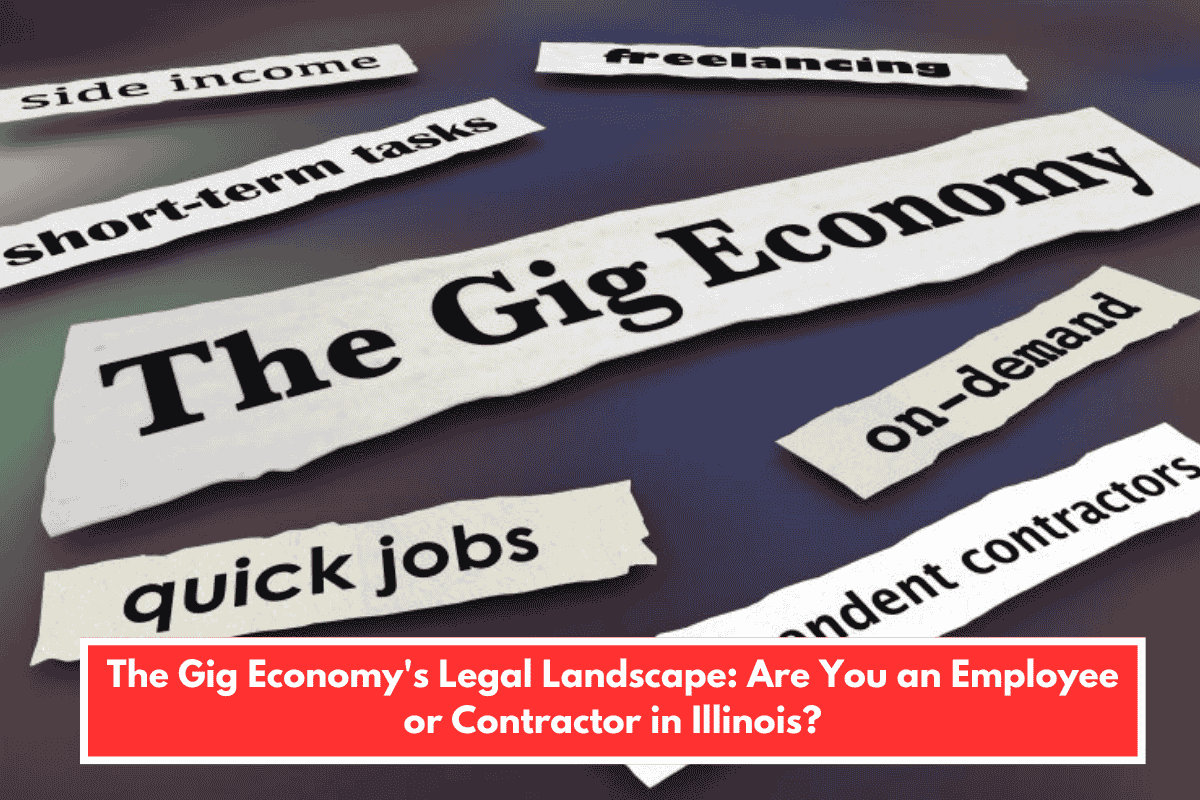
Illinois uses strict tests under its Employee Classification Act to determine if gig workers qualify as employees or independent contractors, primarily targeting construction but influencing broader gig economy cases. Misclassification risks penalties like back wages and fines, with the Freelance Worker Protection Act adding safeguards for true freelancers.
Classification Tests
Illinois applies the ABC test in key areas like construction (820 ILCS 185), presuming employee status unless a hiring entity proves: (A) no control over work performance, (B) services outside usual business course, and (C) worker’s independent trade or business.
Multi-factor tests apply elsewhere, weighing economic dependence per DOL’s “economic reality” factors—integral business role, permanency, control, skill, investment, and profit opportunity—often favoring employee status for gig platforms.
Federal FLSA aligns but states override with stricter rules; gig workers central to apps like rideshare rarely pass ABC prong B.
Freelancer Protections
The Freelance Worker Protection Act (effective 2024) mandates written contracts for freelancers earning $500+, timely payments (within 30 days), and anti-retaliation for true independents, without reclassifying them.
No broad ABC mandate like California’s AB5 exists statewide, but courts and agencies scrutinize gig claims case-by-case.
SOURCES
[1](https://www.postercompliance.com/blog/labor-law-compliance-for-gig-workers-what-employers-need-to-know/)
[2](https://www.stout.com/en/insights/article/do-gig-workers-do-gigs-or-are-they-employees-under-new-dol-rule)
[3](https://amtrustfinancial.com/blog/small-business/employment-classification-impact-on-gig-economy)
[4](https://www.riseworks.io/blog/employee-classification-changes-to-know-in-2025-august-update)
[5](https://www.akerman.com/en/perspectives/hrdef-worker-classification-in-the-gig-economy-legal-wins-and-strategic-considerations-for-employers.html)