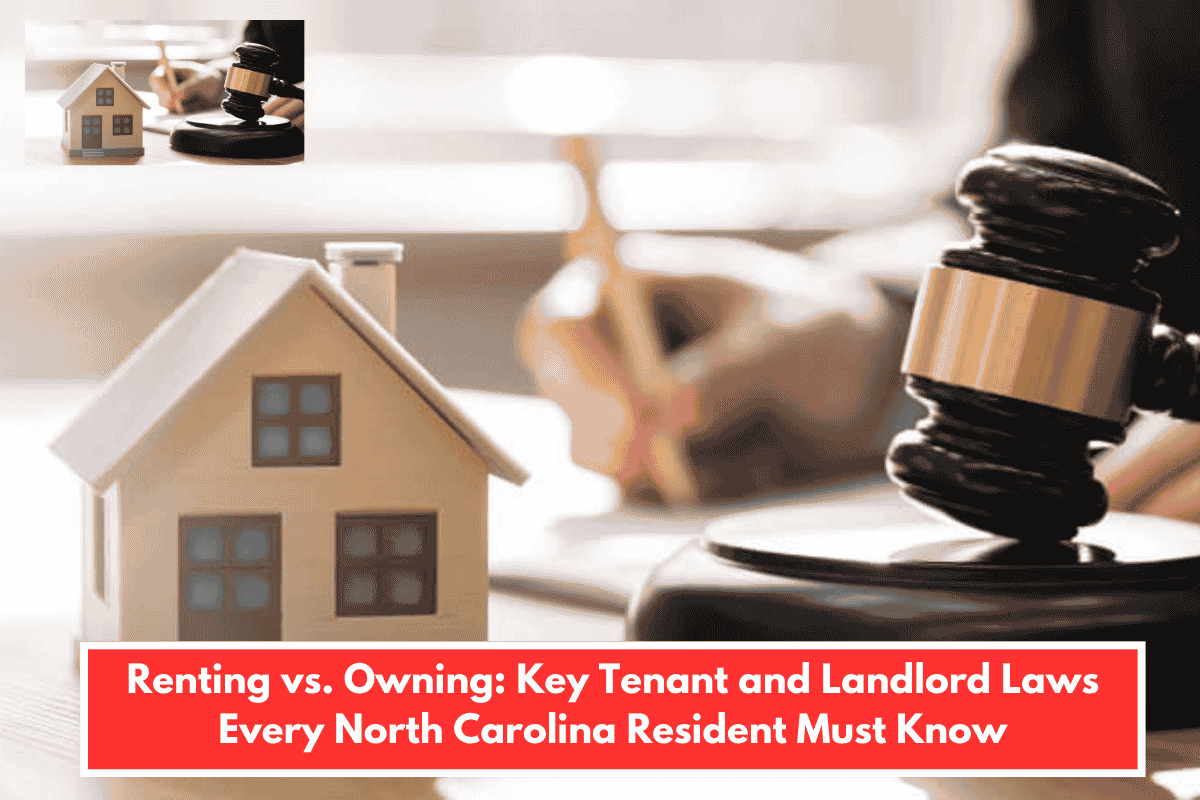
North Carolina landlord-tenant laws, outlined in Chapter 42 of the General Statutes, balance rights and duties for renters and owners to ensure fair housing practices.
Landlord Duties
Landlords must maintain habitable units compliant with building codes, including working plumbing, heating, and electrical systems, and handle repairs promptly after notice. They provide reasonable entry notice (typically 48 hours, except emergencies) and return security deposits within 30 days of move-out, itemizing deductions for damages beyond normal wear. Mandatory disclosures cover lead paint in pre-1978 homes and bed bug histories in applicable areas.
Tenant Rights
Tenants enjoy quiet enjoyment, privacy from unauthorized entry, and protection against discrimination under federal fair housing laws plus state rules on source-of-income like housing vouchers. They can withhold rent or “repair and deduct” for habitability issues after proper notice if landlords fail to act, though court approval may be needed. Evictions require 7-60 day notices based on tenancy type, with no self-help measures like lockouts allowed.
Key Rental Rules
No rent control exists, but late fees cap at $15 or 5% of rent after a 5-day grace period. Security deposits max at 2 months’ rent for month-to-month or longer leases. Leases must detail rent, terms, and utilities; oral agreements default to month-to-month. Recent changes (HB 556) clarify eviction costs and ban income source discrimination.
SOURCES
[1](https://innago.com/north-carolina-landlord-tenant-laws/)
[2](https://www.turbotenant.com/rental-lease-agreement/north-carolina/laws/)
[3](https://www.doorloop.com/laws/north-carolina-landlord-tenant-rights)
[4](https://ipropertymanagement.com/laws/north-carolina-landlord-tenant-rights)
[5](https://www.ncleg.gov/Laws/GeneralStatuteSections/Chapter42)