Case Summary
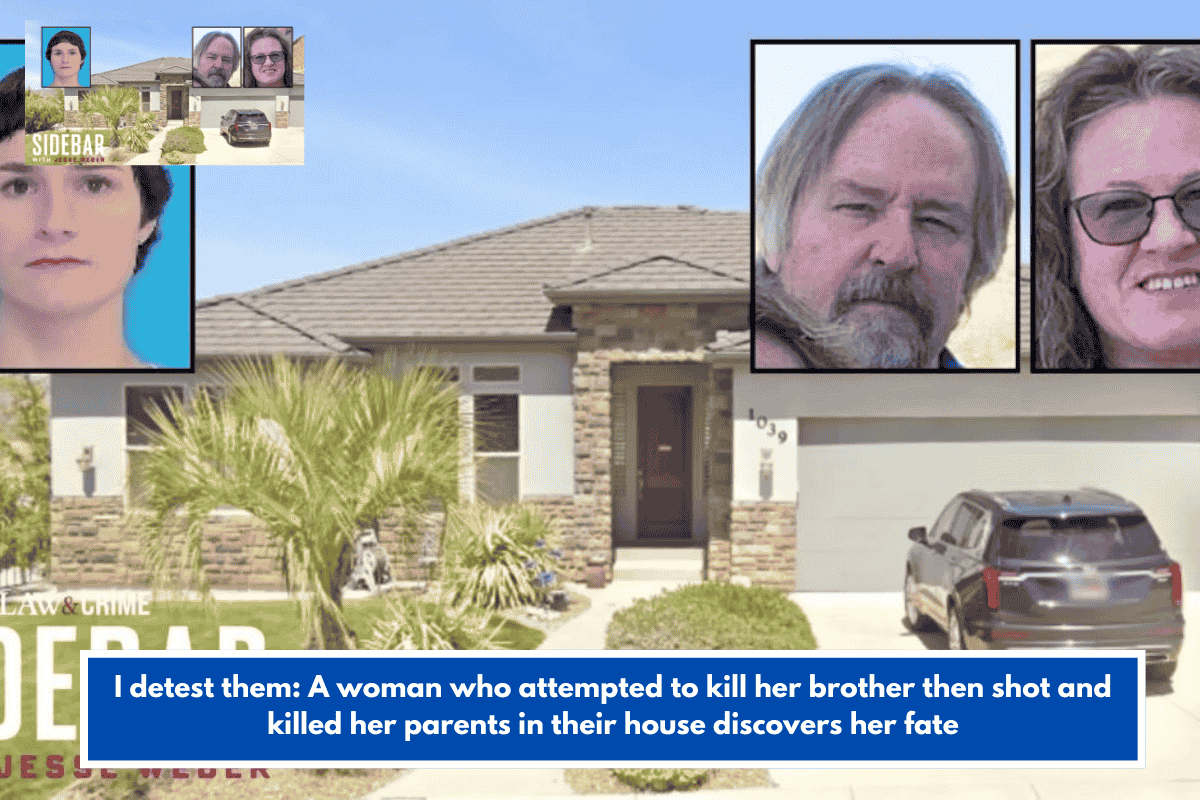
Mia Bailey, 30, from Washington, Utah, was sentenced Friday to two consecutive terms of 25 years to life for the aggravated murders of her parents, Joseph (70) and Gail Bailey (69). She also received 0-5 years for aggravated assault on her brother Cory after pleading guilty but mentally ill last month. The plea dismissed seven other felonies, including aggravated attempted murder and burglary.
Key Events
- The Shooting (June 18, 2024): Bailey entered her parents’ home, shot her mother multiple times while she watched TV, then killed her father in the master bedroom to “make sure they were dead.” She also fired at brother Cory, who escaped to a neighbor’s house and called 911.
- Flight and Capture: Bailey fled; authorities noted her gender transition (previously Colin Bailey, name/gender legally changed in July 2023) and wig use. She surrendered around 8 a.m. the next day after negotiations.
- Post-Arrest Statements: Bailey bragged, “I would do it again. I hate them,” and said she wouldn’t mind killing her brother. A prior protective order filed by a brother was denied.
Investigation and Motive
Prosecutors highlighted premeditation: Bailey bought a gun, practiced at a shooting range, and targeted four family members. Despite her courtroom remorse—”I can’t live with myself” and a wish for forgiveness—evidence showed planning. A brother had sought protection a year earlier.
Sentencing Details
| Charge | Sentence | Notes |
|---|---|---|
| Aggravated Murder (x2) | 25 years to life each, consecutive | One per parent |
| Aggravated Assault | 0-5 years | On brother Cory; concurrent possible |
Cory Bailey spoke of family devastation: “We’ve lost our parents, and we’ve lost a sibling.” He advocated for maximum incarceration for healing.
Broader Context
Utah’s aggravated murder statute (Utah Code § 76-5-202) mandates life without parole or 25-to-life for premeditated killings, with “guilty but mentally ill” allowing mental health consideration but not excusing intent. The consecutive terms ensure at least 50 years before parole eligibility. This case underscores family violence dynamics, gender transition amid conflict, and plea deals balancing severity with finality. Similar to other familicide cases, mental health pleas rarely reduce minimums in premeditated scenarios.
What’s your perspective on the premeditation evidence or Utah’s sentencing for familicide?