The Human Affairs and Racial Conciliation Commission (HARCC) in Charleston, S.C., was established after the 2015 Mother Emanuel AME Church shooting, where nine Black parishioners were killed. Over the years, it has issued 125 recommendations to combat systemic inequities in areas like housing, education, healthcare, public safety, and workforce diversity—such as increasing women in fire stations. Councilmember William Gregorie, a key founder, emphasizes its role in representing all residents regardless of race, disability, or sexual orientation.
Current Threat
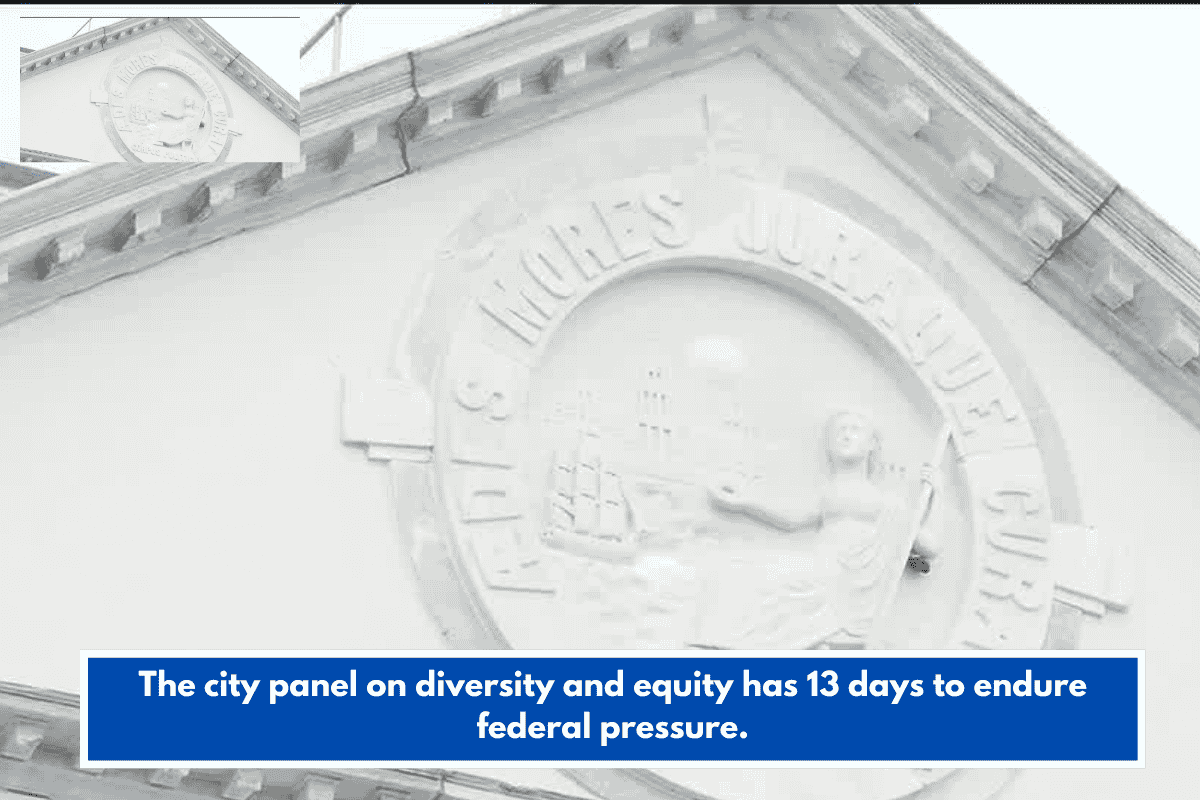
HARCC’s charter expires in January 2026, giving it just weeks (about 13 days from the article’s context) to transition. Federal scrutiny of Diversity, Equity, and Inclusion (DEI) programs—intensified under recent policies—risks cutting over $100 million in funding. What began as a debate over renaming has escalated to questions about the commission’s survival, potentially forcing a pivot to an independent nonprofit to evade oversight.
Potential Impacts
- Policy Roadmap Loss: The 125 recommendations have influenced city policies; dissolution could stall progress on equity initiatives.
- Community Voice: Independence from politics is key, per Gregorie, but funding cuts might silence marginalized groups.
- Broader Context: This mirrors national pushback on DEI amid legal challenges and executive actions, affecting local programs nationwide.
Charleston’s history with racial reconciliation makes HARCC pivotal—its end could signal a shift in addressing discrimination locally. For updates, check Charleston’s city council site or local outlets like The Post and Courier.
Given your interest in South Carolina community affairs and public safety, how does this align with local discussions in Charleston you’re following?