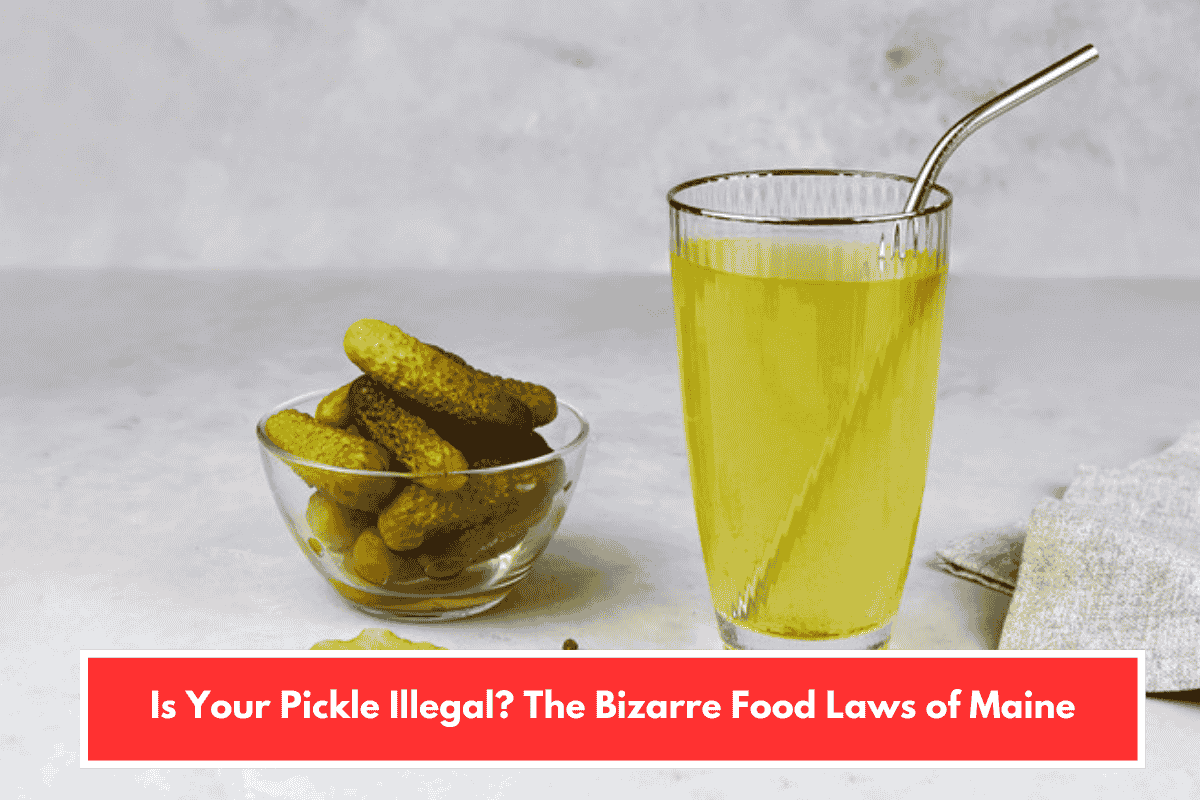
No, your pickle isn’t illegal in Maine—homemade pickles are explicitly allowed under cottage food laws with proper licensing or local exemptions. Maine’s regulations focus on safety for shelf-stable pickled goods rather than banning them outright. These rules balance food freedom with public health, allowing direct sales of compliant products.
Cottage Food Options
Maine offers Home Food Manufacturing licenses for shelf-stable pickles, requiring home inspections, recipe approval for acidified items, and labeling with ingredients and producer details. Local Food Sovereignty ordinances in participating towns permit broader sales, including acidified pickles, directly to consumers without state licensing.
Restrictions and Safety
Pickles must meet pH or water activity standards via process authority review to prevent botulism; low-acid or fermented versions face stricter rules under state licensing. Sales occur at farmers markets, homes, or events, but not wholesale or online without compliance; meat products remain federally restricted.
Bizarre Law Myths
No evidence supports outright pickle bans—Maine embraces homemade foods via 2017 Food Sovereignty laws promoting local production over prohibition. Verify your town’s ordinance and test recipes to stay legal.
SOURCES
[1](https://foodsafepal.com/maine-cottage-food-law/)
[2](https://ij.org/issues/economic-liberty/homemade-food-seller/maine/)
[3](https://www.mainelegislature.org/legis/bills/bills_125th/billpdfs/HP026301.pdf)
[4](https://www.maine.gov/dacf/qar/permits_and_licenses/documents/home-license-101.pdf)
[5](https://www.maine.gov/dacf/qar/laws_and_rules/food_laws_rules.shtml)