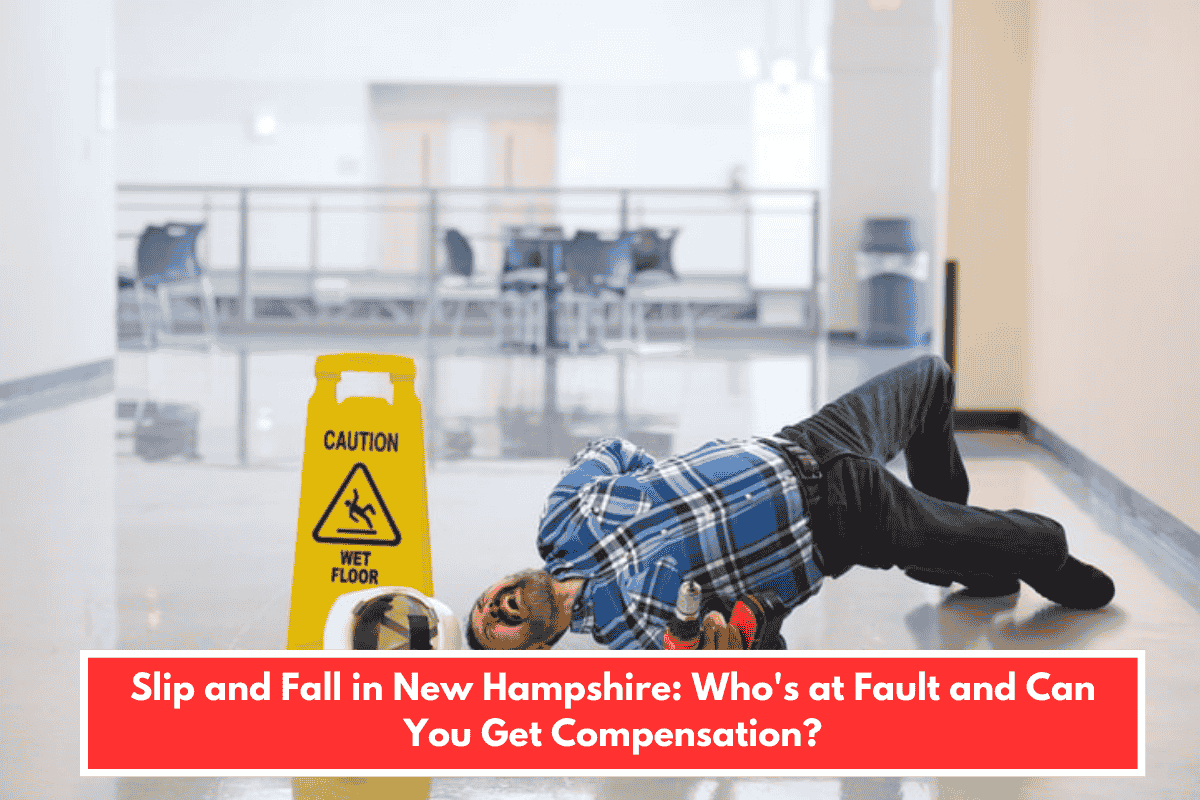
New Hampshire handles slip and fall cases under premises liability law, where property owners must exercise reasonable care to keep premises safe for visitors. Fault hinges on proving the owner’s negligence caused the injury, with victims able to recover compensation if they are less than 51% at fault under the modified comparative negligence rule. Claims require showing the owner had notice of the hazard and failed to address it.
Proving Owner Liability
Property owners owe a duty of reasonable care to invitees, licensees, and even trespassers in some cases, depending on foreseeability of harm. Victims must demonstrate actual or constructive notice of the danger, such as through prior complaints, creation of the hazard, or its long existence implying reasonable inspection would have found it. Common defenses include plaintiff negligence, like ignoring open and obvious risks, which reduces or bars recovery if over 50%.
Compensation Available
Successful claims cover medical bills, lost wages, pain and suffering, and other damages, reduced by the plaintiff’s fault percentage. The statute of limitations is three years from injury for most cases. Evidence like photos, witness statements, and incident reports strengthens claims against stores, apartments, or public spaces.
SOURCES
[1](https://www.nolo.com/legal-encyclopedia/new-hampshire-slip-and-fall-laws.html)
[2](https://www.tennandtenn.com/how-to-prove-liability-in-a-new-hampshire-slip-and-fall-case/)
[3](https://www.apislaw.com/nh-slip-and-fall-attorney)
[4](https://www.kevinbrodericklaw.com/can-you-sue-for-a-slip-and-fall-injury-at-a-resort/)
[5](https://fblawnh.com/why-slip-and-fall-accidents-typically-signal-negligence/)