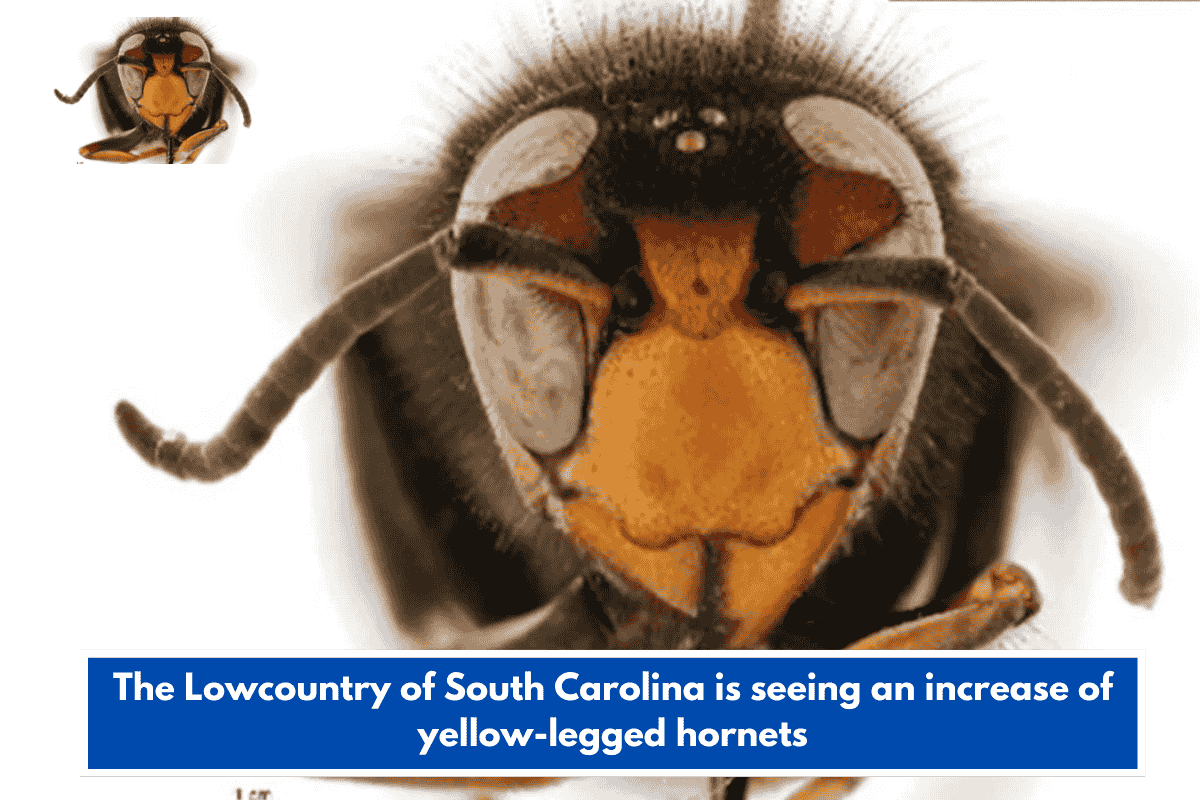
The yellow-legged hornet, an invasive species native to Southeast Asia, has been establishing nests in Jasper and Beaufort counties over the past two years, posing a severe threat to local pollinators like honeybees. Sightings and nest discoveries have increased, with recent ones in Ridgeland (Jasper County) and Bluffton (Beaufort County). These hornets build large paper nests, which can contain around 6,000 workers, and prey heavily on honeybees, threatening agriculture and native ecosystems through disrupted pollination and reduced honey production.
Local efforts to control the invasive hornets include:
- Clemson University Regulatory Services safely removing nests.
- Beekeepers like Mark Lilly collaborating with Clemson University to locate nests and trap hornets, having already lost several hives to them.
- A reporting and identification system launched by Clemson University’s Department of Plant Industry in April allows residents to report sightings and helps track the hornets.
- Educational mailers distributed to Lowcountry residents explaining how to identify the hornets and use the reporting system.
- Extensive trapping efforts in 2024 resulted in over 4,200 hornets caught and 16 nests removed in Beaufort County alone.
- The public is actively encouraged to report sightings to prevent further spread.
Residents in Jasper and Beaufort counties, especially in the Lowcountry, are urged to be vigilant and report any yellow-legged hornet activity via Clemson’s reporting platform to support ongoing eradication efforts and protect local pollinators and ecosystems.