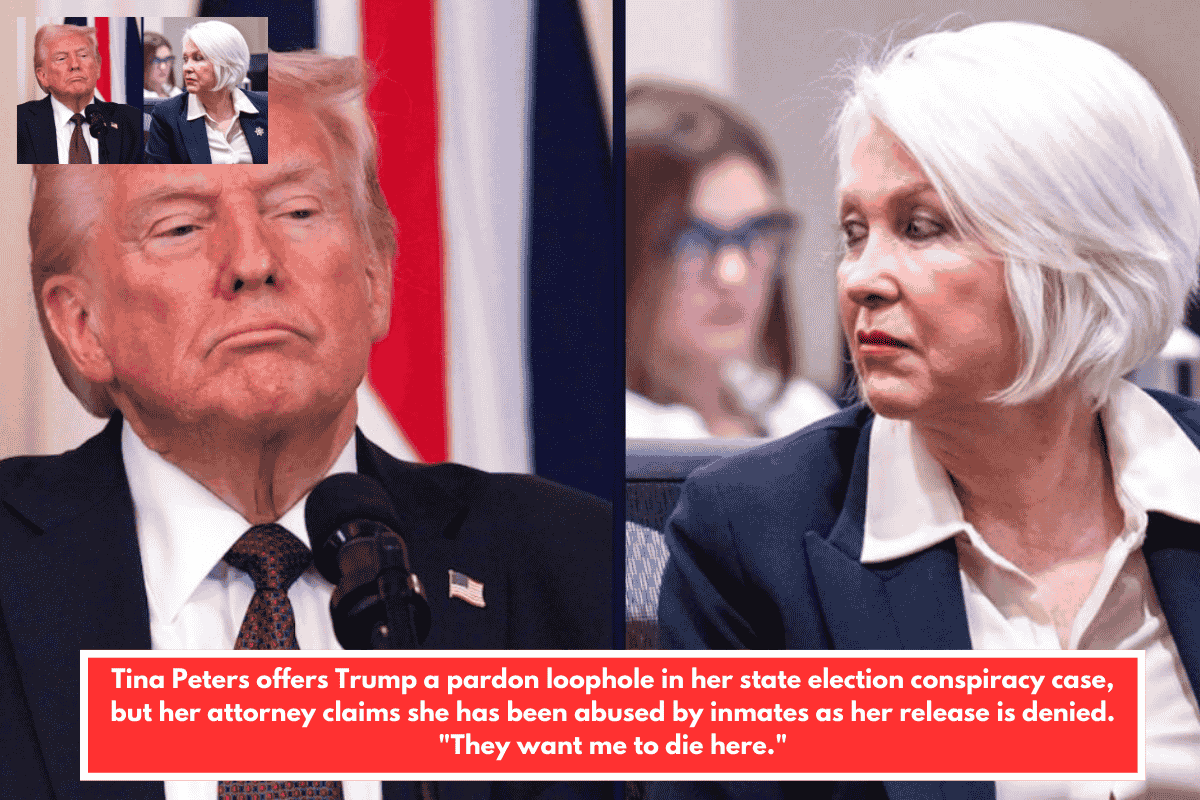
Tina Peters, the first election official convicted of a felony linked to 2020 election conspiracy theories, is currently in solitary confinement and feels despairing, believing authorities want her to “waste away” or die in isolation. Her lawyer, Peter Ticktin, says she is depressed and fears for her life due to her harsh prison conditions.
Peters was sentenced to nine years in Colorado for election equipment tampering and official misconduct after allowing unauthorized copying of voting machine hard drives in 2021. Recently, a federal magistrate rejected her request for release during the appeal process, citing legal limits on federal courts interfering with ongoing state proceedings.
Ticktin argues the severe confinement is cruel and not for safety, noting Peters was attacked multiple times by other inmates. Despite applying repeatedly, she has been denied placement in a safer prison unit designed for non-problematic inmates. According to her lawyer, her health is deteriorating from isolation and depression.
He also criticized Colorado’s sentencing judge Matthew Barrett for imprisoning her not for physical danger but for the threat posed by what she might say—a freedom of speech issue in Ticktin’s view.
Ticktin has appealed to former President Trump to consider a pardon workaround for Peters’ state charges, highlighting the constitutional question of whether a president can pardon state offenses. The Trump administration is reportedly investigating options.
Peters’ case highlights complex tensions between election-related criminal convictions, constitutional protections, and prisoner rights under difficult prison conditions.
If you’d like, I can provide more background on the legal arguments regarding presidential pardons for state crimes or the use of solitary confinement in cases like this.