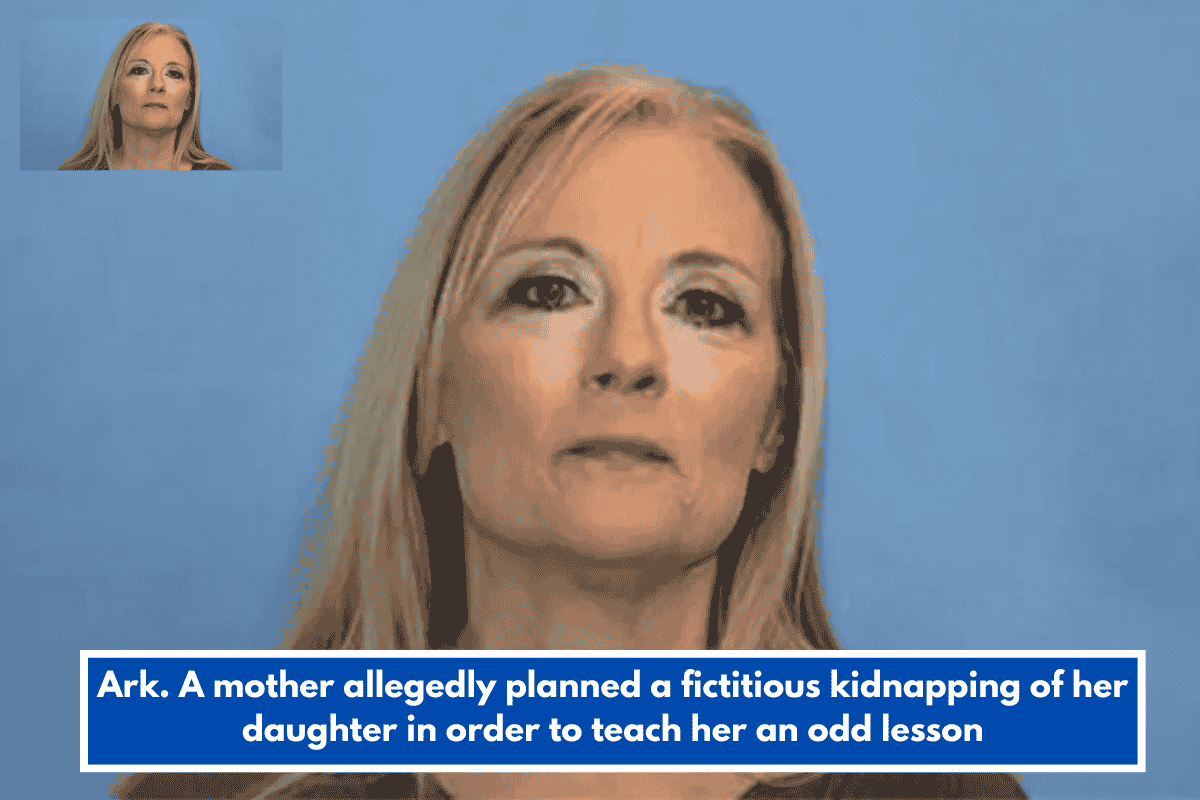
This case from Arkansas involves a complex and tragic situation where the parents of a mentally disabled adult daughter took drastic measures to protect her from perceived online dangers. The mother, Tamara Hamby, allegedly staged a fake kidnapping with the aim of scaring their 22-year-old daughter—who has the mental capacity of an 11-year-old and an auditory processing disorder—away from communicating with an online impersonator pretending to be country singer Luke Bryan.
The plan reportedly involved restraining the daughter and leaving her tied to a tree, which caused injuries and led to criminal charges—kidnapping and first-degree endangering the welfare of an incompetent person—against Tamara and several accomplices. The father, Jeffrey Hamby, defends his wife’s intentions as an attempt to teach their daughter about real danger after law enforcement apparently did not provide effective help. He emphasizes the challenges of protecting someone with limited understanding of harm or “evil,” noting their daughter believed the online predator’s claims and was willing to go with him.
This case highlights difficult questions around parental rights, protective measures for vulnerable adults, and the limits of legally acceptable responses to online threats. The incident led to legal consequences for Tamara Hamby despite her intent to safeguard her daughter, sparking debate on how best to protect mentally disabled individuals in the digital age while respecting their dignity and safety.
Tamara’s court appearance is scheduled for December 10.
If you want, a deeper analysis can be provided on the legal, ethical, or social implications of this scenario.