The Sol-Legare community on James Island near Charleston, SC, is a historic African American community with deep cultural roots and significant heritage linked to the post-Civil War era. It was originally settled by freed African American slaves who farmed and fished the land. The area is named after Solomon Legare, an antebellum plantation owner, but the ongoing community is largely made up of descendants of the freedmen from that era. The community served as a hub of social and mutual aid through institutions like the Seashore Farmers’ Lodge, established around 1915, which played a crucial role in supporting African American families through financial aid and community cohesion during a time of racial discrimination and segregation.
Sol-Legare also includes Mosquito Beach, a historically important recreational area for African Americans during the Jim Crow era, as they were barred from “white beaches.” Today, much of Sol-Legare’s historical buildings and community spaces remain, symbolizing resilience and a living heritage within the Gullah Geechee cultural corridor, which preserves the legacy of descendants of enslaved Africans in the coastal southeast.
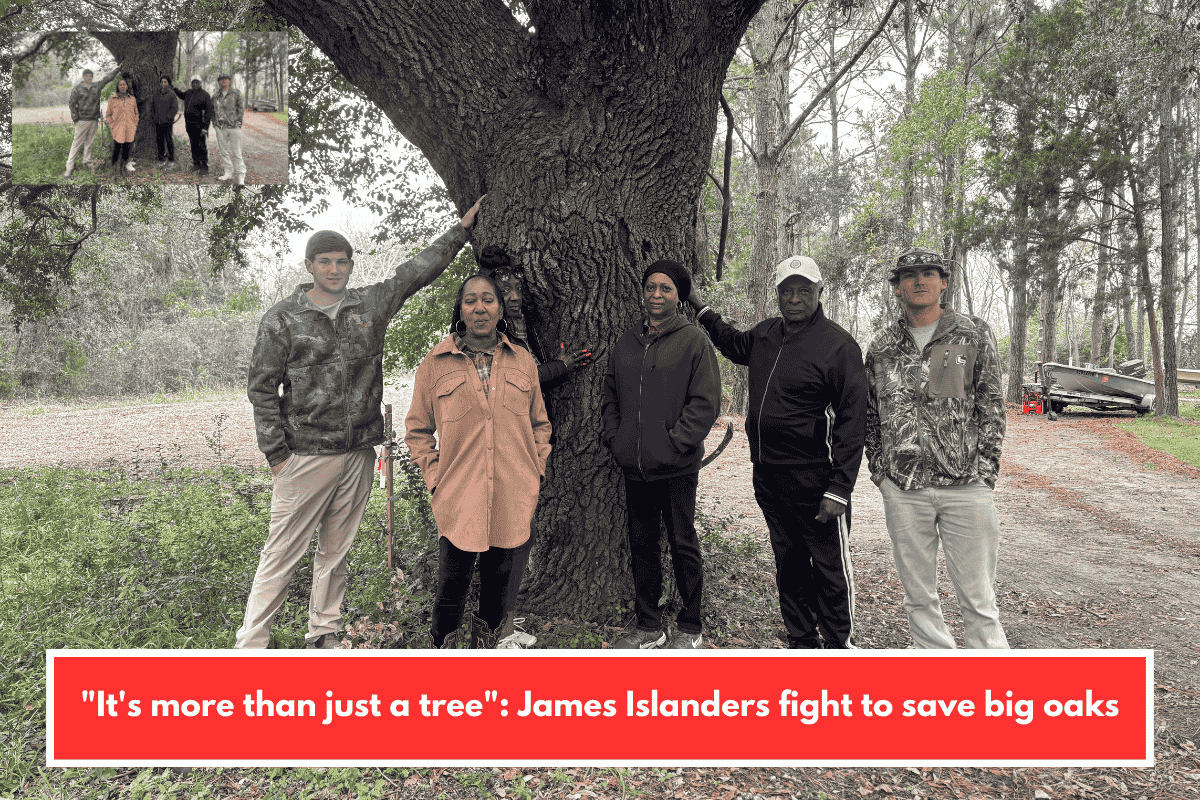
The 40-inch grand sand live oak tree on James Island that the community is fighting to preserve is viewed as a vital part of the historical and cultural identity of Sol-Legare, symbolizing the community’s longevity and heritage. The tree is over 200 years old and is considered by residents as “the heart of Sol-Legare.” Attempts to remove it to facilitate development have been halted by Charleston County’s Board of Zoning Appeals (BZA) due to the tree being seen as public property and the high level of community opposition, reflecting the community’s desire to protect its tangible and intangible history.