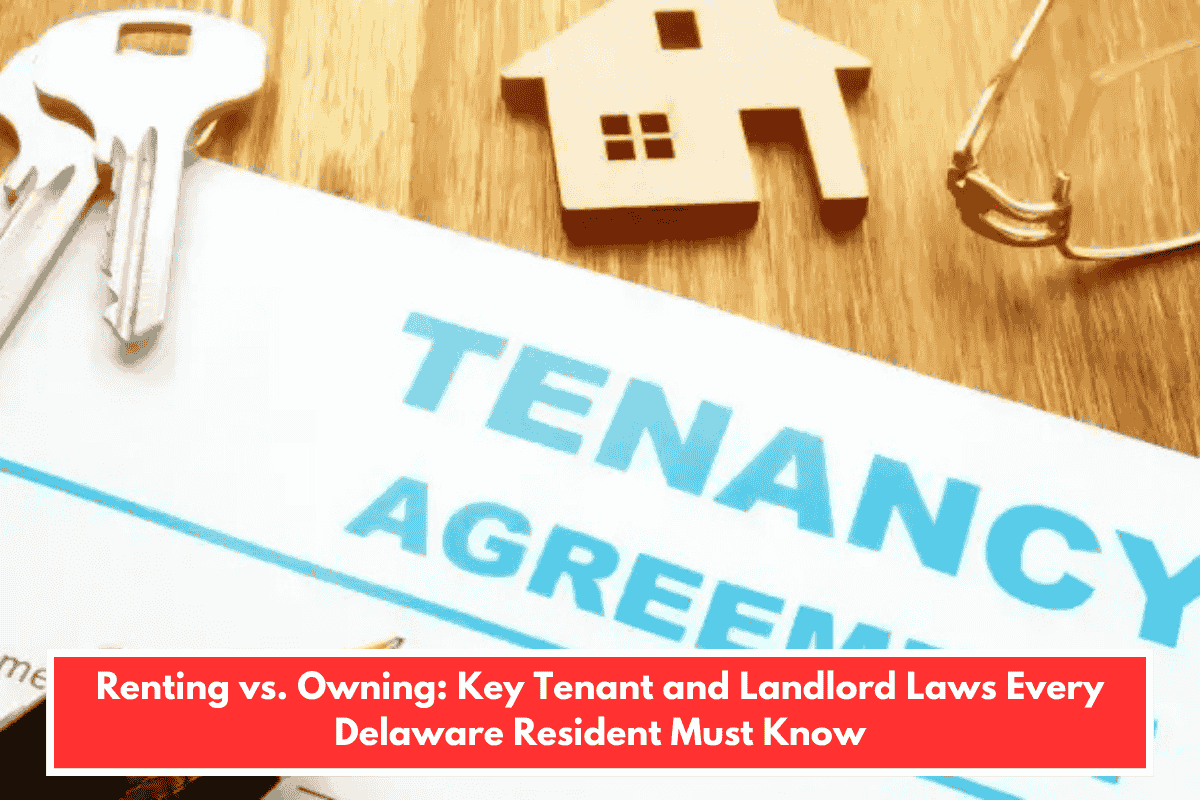
Delaware’s landlord-tenant laws, outlined in Title 25, Chapters 51-59 of the Delaware Code, ensure habitable housing and fair practices for renters and owners, with 2025 changes banning no-fault evictions for most leases. Landlords must provide safe units compliant with health codes, while tenants gain remedies like rent withholding or lease termination for unaddressed issues. These rules aid decisions between renting and owning by clarifying responsibilities.
Landlord Duties
Landlords must maintain heat, water, electricity, and structural integrity, deliver a summary of landlord-tenant laws and lead paint disclosures at lease start, and return security deposits within 20 days with itemized deductions. Non-emergency entry requires 48 hours’ notice, and rent increases or terminations need proper written notice. Failure to repair habitability issues allows tenants to notify in writing, remedy after 15 days, or terminate immediately for imminent threats.
Tenant Obligations
Tenants must pay rent on time, keep units clean, avoid damages beyond normal wear, and comply with lease terms without unauthorized alterations. They notify landlords promptly of needed repairs and cannot unreasonably withhold rent. Application fees are capped, and late fees must be reasonable under state guidelines.
Eviction Process
Evictions require cause like nonpayment (5-day notice) or lease violations (7-30 days), followed by Justice of the Peace Court filing; no self-help evictions allowed. 2025 reforms mandate legal grounds and documentation, protecting tenants while upholding landlord rights to collect rent and evict for valid breaches.
SOURCES
[1](https://innago.com/delaware-landlord-tenant-laws/)
[2](https://www.hemlane.com/resources/delaware-tenant-landlord-law/)
[3](https://www.leaserunner.com/laws/eviction-process-in-delaware)
[4](https://www.steadily.com/blog/delaware-rental-lease-agreement-laws-regulations)
[5](https://delcode.delaware.gov/title25/c053/index.html)